Vaginal dryness and pain during sex: understanding and managing them
Vaginal dryness and pain during sex are not things women have to accept as an inevitable part of life. Both symptoms have clear causes and can largely be improved. Understanding the source is the first step toward finding the right solution.
Updated November 14, 2026Compiled by UK MASTER ACADEMYFor readers aged 18 and over
- Genitourinary syndrome of menopause, a term agreed upon by ISSWSH and NAMS in 2014, includes vaginal dryness, burning, irritation, reduced lubrication, painful sex, and urinary symptoms linked to declining estrogen.
- Vaginal dryness and pain during sex can occur at any age, not only in postmenopausal women, and the cause is often a combination of physical and psychological factors.
- An international expert group in 2013 noted that comprehensive epidemiological data sufficient to determine the precise prevalence of genital pain conditions in women are still lacking.
- Persistent pain during sex that goes unrecognized and untreated can lead to anticipatory anxiety before each encounter, reduce arousal, and create a cycle that is difficult to break.
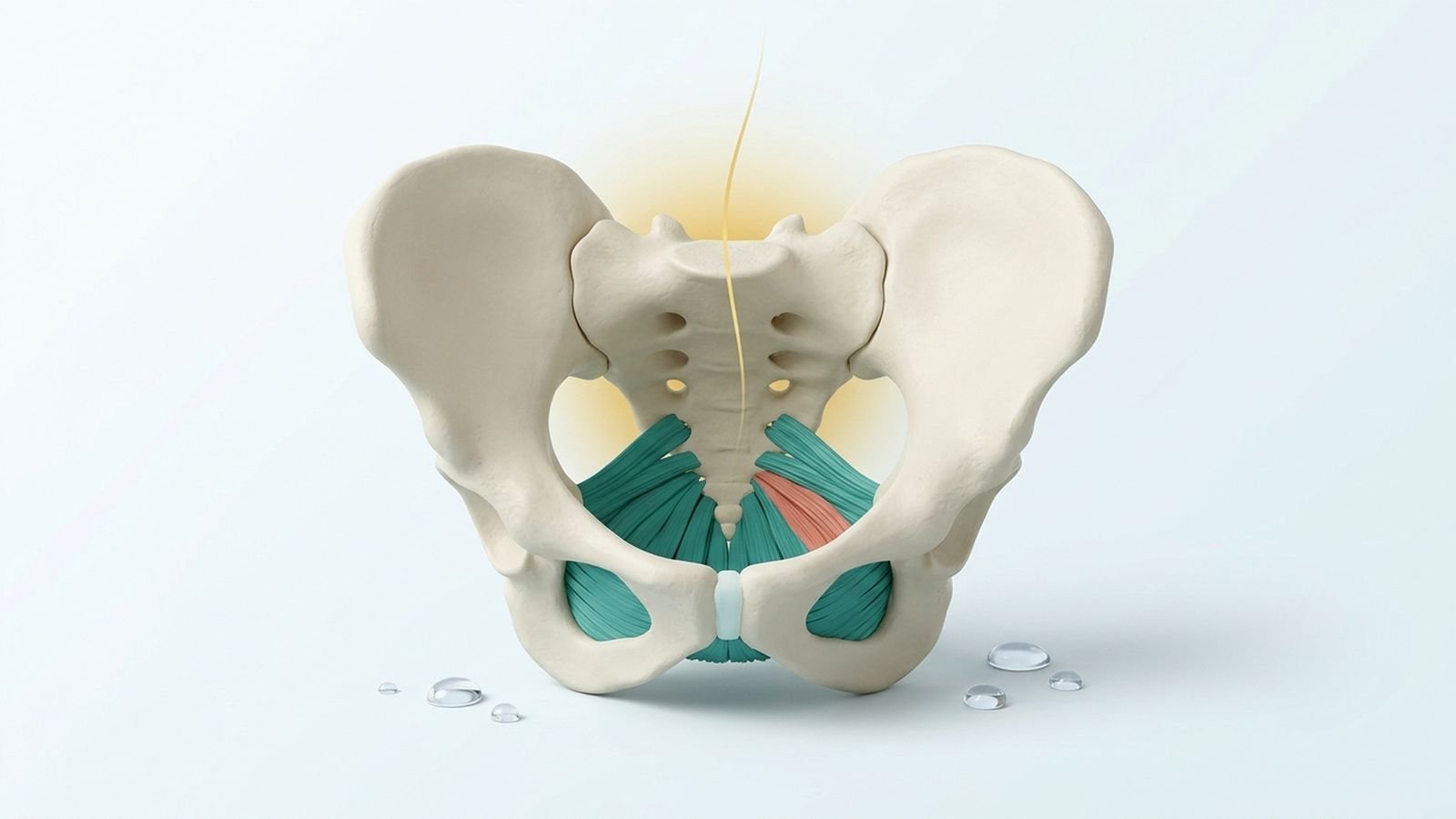
What vaginal dryness and pain during sex are
The normal vaginal lining is kept moist by continuous secretions and depends on estrogen to maintain its thickness and elasticity. When estrogen falls, this lining thins, becomes less elastic, and produces less fluid. The result is a sensation of dryness, burning, or stinging, and pain when contact occurs.
Pain during sex, also called dyspareunia, may be felt at the entrance, deeper inside, or in both locations. Each location tends to suggest a different cause and needs to be assessed separately.
Genitourinary syndrome of menopause is the term agreed upon by ISSWSH and NAMS in 2014 to describe the full cluster of genital and urinary symptoms linked to declining estrogen. This term replaces the phrase "vaginal atrophy," which did not fully reflect the range of symptoms.
What Western medicine and Chinese medicine say
Western medicine
Estrogen maintains both the structure and function of the vaginal lining. When estrogen falls for any reason, the surface cell layer thins, vaginal pH rises, and lubrication capacity decreases. Pelvic floor physical therapy and certain local medical interventions are treatment approaches a doctor may consider depending on the individual.
Pain during sex takes several forms: pain at the entrance commonly involves the skin, muscles, or lining; deeper pain may suggest endometriosis or a pelvic organ problem. Both forms can be present at the same time.
Chinese medicine
Traditional Chinese medicine views yin deficiency in women as a state in which Kidney yin, Spleen yin, or Lung yin is insufficient to nourish the body's orifices, including the reproductive organs. When yin is deficient, typical manifestations include dryness, internal heat, and restlessness. The location of this "lack of fluid" in the five-organ model involves the Kidney and the Spleen.
Liver qi stagnation from prolonged stress is also considered a cause of poor qi and blood circulation to the genital area, leading to lack of nourishment and dryness. This is the view of traditional Chinese medicine and has not been validated by clinical trial standards. See also the Kidney page.
Common causes
- Hormonal: perimenopause and menopause are the most common contexts because estrogen falls sharply. Certain forms of hormonal contraception can also reduce lubrication in some people.
- Breastfeeding: elevated prolactin during milk production suppresses estrogen, causing dryness similar to menopause. Symptoms usually improve after weaning.
- Infection and inflammation: yeast infections, bacterial vaginosis, or contact dermatitis cause irritation and pain. These conditions require treatment of the underlying cause.
- Pelvic floor tension: involuntary tightening of the pelvic floor muscles when contact is attempted is a fairly common cause of pain at the entrance. This reflex is treated with specialized pelvic floor physical therapy.
- Endometriosis: uterine lining tissue growing outside the uterus can cause deep pain during sex, often alongside severe menstrual pain and difficulty conceiving.
- Psychological: anxiety about pain, stress, or a history of trauma can prevent the body from relaxing enough for natural arousal, leading to dryness and pain even when no physical cause is present.
Steps you can take on your own
Several non-prescription measures can help reduce symptoms considerably:
- Water-based lubricants: apply just before and during sex. Choose a fragrance-free, glycerin-free product with a pH close to 4.5. Avoid oils or lotion when using condoms, as these can degrade latex.
- Allow enough time for foreplay: genuine arousal increases blood flow to the genital area and promotes natural lubrication. Foreplay is not a formality; it is physiology.
- Pelvic floor release: if anxiety about pain is a factor, the pelvic floor release exercises help you identify and let go of muscle tension before sex.
- Choose a comfortable position: positions where the woman has more control over depth and pace reduce pain from cervical contact.
- Talk with your partner: speak plainly about what you feel and what adjustments you need. Suffering in silence tends to make the problem worse over time.
Signs that call for a doctor visit
See a doctor promptly when:
- Vaginal discharge is abnormal in color, smell, or amount (suggesting infection or inflammation that needs treatment).
- Bleeding occurs during sex or between periods.
- Pelvic pain occurs not only during sex but also when standing for extended periods, during menstruation, or during bowel movements.
- It is not possible to insert anything into the vagina, including a tampon or a speculum during a gynecological exam.
- Dryness and irritation affect daily life, not only during sex.
Appropriate specialties: gynecology (Obstetrics and Gynecology), pelvic floor physical therapy, or clinical psychology depending on the cause.
Questions and answers
Does using a lubricant mean there is a problem?
No. Lubricants are a normal support tool, not a sign of a medical condition. Many healthy people of all ages use them to make sex more comfortable.
Will vaginal dryness during breastfeeding resolve on its own?
Usually yes. Low estrogen during breastfeeding is the main cause. When weaning occurs, hormones typically recover and symptoms improve. In the meantime, water-based lubricants can help.
What is vaginismus and can it be treated?
Vaginismus is an involuntary tightening of the pelvic floor muscles when penetration is attempted. It is a reflex that can be resolved with specialized pelvic floor physical therapy.
Does pain during sex always have a physical cause?
No. Pain can result from psychological stress, anxiety, or past emotional trauma, even when no abnormality is found on examination. Physical and psychological factors often coexist.
Sources
- Portman DJ, Gass ML; Vulvovaginal Atrophy Terminology Consensus Conference Panel. Genitourinary syndrome of menopause: new terminology for vulvovaginal atrophy from the International Society for the Study of Women's Sexual Health and the North American Menopause Society. Maturitas. 2014;79(3):349-54. PubMed 25179577
- Fugl-Meyer KS, Bohm-Starke N, Damsted Petersen C, Fugl-Meyer A, Parish S, Giraldi A. Standard operating procedures for female genital sexual pain. J Sex Med. 2013;10(1):83-93. PubMed 22970822
- The NAMS 2020 GSM Position Statement Editorial Panel. The 2020 genitourinary syndrome of menopause position statement of The North American Menopause Society. Menopause. 2020;27(9):976-992. PubMed 32852449
This page is general health information compiled from international medical sources. It has not been reviewed by a physician and is not a diagnosis or a treatment instruction. The content is for readers aged 18 and over. If symptoms persist, please see a doctor.