Perimenopause and menopause: living well and managing symptoms
Perimenopause is the transitional stage before menopause and can begin many years before periods stop completely. Symptoms such as hot flashes, sleep disruption, and vaginal changes can significantly affect quality of life. Understanding the physiology helps in choosing an approach that fits each individual.
Updated November 14, 2026Compiled by UK MASTER ACADEMYFor readers aged 18 and over
- A 2024 systematic review of perimenopausal women in the United States found that 48.4 to 70.6% experienced hot flashes and night sweats.
- Gibson et al. in 2024 reported a mean duration of 2.6 years from symptom onset, with a median duration of 7.4 to 10.1 years in those whose symptoms began in early perimenopause.
- Genitourinary syndrome of menopause, caused by the effect of declining estrogen on the vaginal lining and urinary tract, produces dryness, burning, pain during sex, and recurrent urinary tract infections.
- The 2023 recommendations of the North American Menopause Society confirmed that hormone therapy remains the most effective approach for hot flash symptoms, and that certain non-hormonal options including cognitive behavioral therapy and clinical hypnosis are recommended at evidence level I.
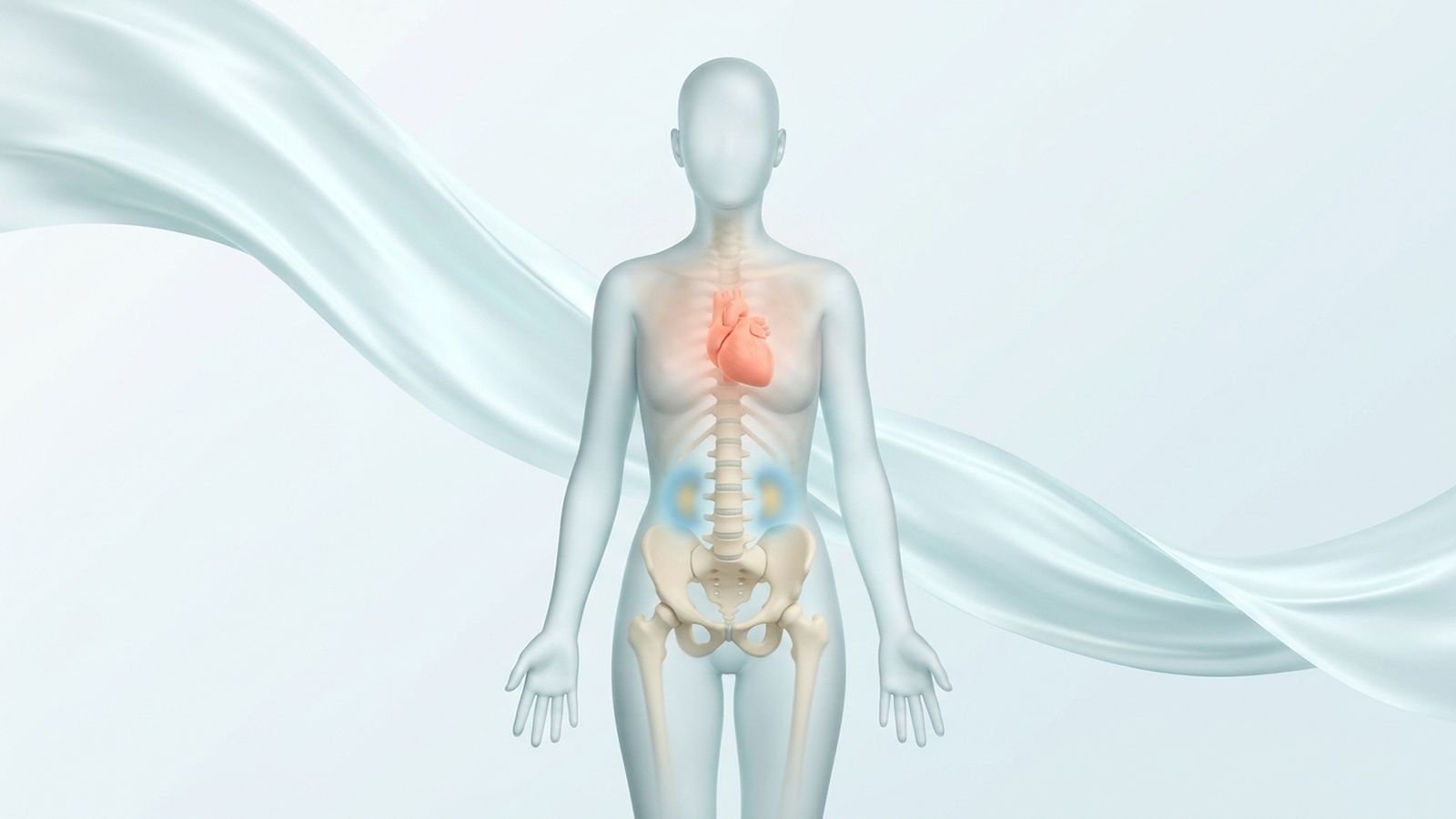
What stage is perimenopause
Perimenopause is a transitional stage that can last 4 to 10 years before periods stop completely. During this time, the ovaries gradually reduce their production of estrogen and progesterone, leading to irregular periods and a variety of other symptoms.
Menopause is confirmed when there have been no periods for 12 consecutive months without another explanation. The average age across many populations is around 51, but there is considerable variation between individuals and ethnic groups.
Postmenopause is the stage that follows and continues for the rest of life. Changes in bone health, cardiovascular health, and the genitourinary lining continue during this stage if they are not given attention.
Hormonal changes
FSH (follicle-stimulating hormone) rises gradually as the ovaries lose their responsiveness. Estrogen declines unevenly during perimenopause and can fluctuate widely before falling consistently after menopause. Progesterone falls earlier than estrogen because anovulatory cycles become increasingly common.
Testosterone also declines gradually with age, not abruptly as estrogen does. Declining testosterone can affect sexual desire, energy, and muscle mass. However, testosterone levels in women are inherently much lower than in men, and the clinical effects vary considerably from person to person.
Genitourinary syndrome of menopause
Genitourinary syndrome of menopause (GSM) is the term agreed upon by ISSWSH and NAMS in 2014 to describe the full cluster of genital and urinary symptoms caused by declining estrogen. The symptom group includes vaginal dryness, burning, and irritation; reduced lubrication and pain during sex; urinary urgency, burning during urination, and recurrent urinary tract infections.
Unlike hot flashes, which often improve over time, genitourinary syndrome of menopause typically worsens with the years if it is not managed. This is because the vaginal lining and urinary tract continue to thin with prolonged estrogen deficiency.
A range of management options from mild to more involved can help. See details at Vaginal dryness and pain during sex.
Hot flashes, night sweats, and sleep
Hot flashes are the most common symptom of perimenopause and menopause. A 2024 systematic review of perimenopausal women in the United States reported that 48.4 to 70.6% experienced hot flash symptoms. The mean time from symptom onset was 2.6 years, but the median duration could extend to 7.4 to 10.1 years in people whose symptoms began early in perimenopause.
Night sweats disrupt sleep, and chronic sleep deprivation affects mood, energy, and sexual desire. This is a cycle that needs to be broken by managing symptoms, not simply by waiting.
The 2023 non-hormone recommendations of the North American Menopause Society confirmed that cognitive behavioral therapy and clinical hypnosis have level I evidence for reducing hot flash symptoms. Treatment approaches a doctor may consider include hormone therapy and certain non-hormone medication groups by prescription.
What Western medicine and Chinese medicine say
Western medicine
Western medicine confirms that menopause is a natural physiological process, not a disease, but its symptoms can significantly affect health and quality of life. Active care includes a comprehensive assessment of cardiovascular risk, bone health, and sexual health. The approach to treatment depends on individual health history, symptom severity, and personal preference.
Chinese medicine
Traditional Chinese medicine describes menopause as the time when "tian gui is exhausted," meaning the reproductive essence of the Kidney has declined to the point where it can no longer sustain the cycle. Kidney yin deficiency is the most commonly described pattern: hot flashes, night sweats, warm palms and soles, and low back and knee soreness. Liver yang rising due to insufficient Kidney yin control causes irritability and insomnia. This is a view that has not been fully validated by clinical trial standards. See also the Kidney page.
Signs that call for a doctor visit
See a gynecologist or women's health doctor when:
- Hot flashes and night sweats are disrupting sleep or affecting daily work.
- Vaginal dryness and pain during sex are affecting sexual life.
- Periods stop before age 40 (premature ovarian insufficiency requires a separate evaluation).
- Any vaginal bleeding occurs after menopause has been confirmed (uterine pathology needs to be excluded).
- There is a family history of osteoporosis or early cardiovascular disease and you want an individual risk assessment.
- Symptoms of depression or anxiety have persisted for more than two weeks.
Questions and answers
At what age does perimenopause begin?
Usually in the late 40s, but it can begin earlier in some people. The first signs are often irregular periods, brief hot flashes, and sleep disruption before periods stop entirely.
Is early menopause a pathological condition?
Menopause before age 40 is called premature ovarian insufficiency and differs from natural menopause. It requires medical evaluation because of its long-term effects on bone health and cardiovascular health.
Does genitourinary syndrome of menopause require treatment?
Not everyone needs treatment, but if symptoms are affecting daily life or sexual activity, options range from water-based lubricants to local medical interventions. Talk with your doctor to find the right fit.
Can sleep disruption during perimenopause improve?
Yes. Good sleep hygiene, temperature control in the bedroom, and some treatments targeting hot flash symptoms can all improve sleep. If insomnia is severe, ask your doctor for a separate assessment.
Sources
- Gibson CJ, Ajmera M, O'Sullivan F, et al. Epidemiology and clinical outcomes of vasomotor symptoms among perimenopausal women and women aged 65 years or older in the US: a systematic review. Women Health. 2024:1-17. PubMed 39353876
- The North American Menopause Society. The 2023 nonhormone therapy position statement of The North American Menopause Society. Menopause. 2023;30(6):573-590. PubMed 37252752
- Portman DJ, Gass ML; Vulvovaginal Atrophy Terminology Consensus Conference Panel. Genitourinary syndrome of menopause: new terminology for vulvovaginal atrophy from the International Society for the Study of Women's Sexual Health and the North American Menopause Society. Maturitas. 2014;79(3):349-54. PubMed 25179577
This page is general health information compiled from international medical sources. It has not been reviewed by a physician and is not a diagnosis or a treatment instruction. The content is for readers aged 18 and over. If symptoms persist, please see a doctor.