13 Organ Systems, Five Openings & Five Tissues

Side-by-side comparison of Chinese medicine organ theory and Western clinical anatomy across the Five Elements, including the Brain, sensory openings, tissues, and Ten Heavenly Stems.

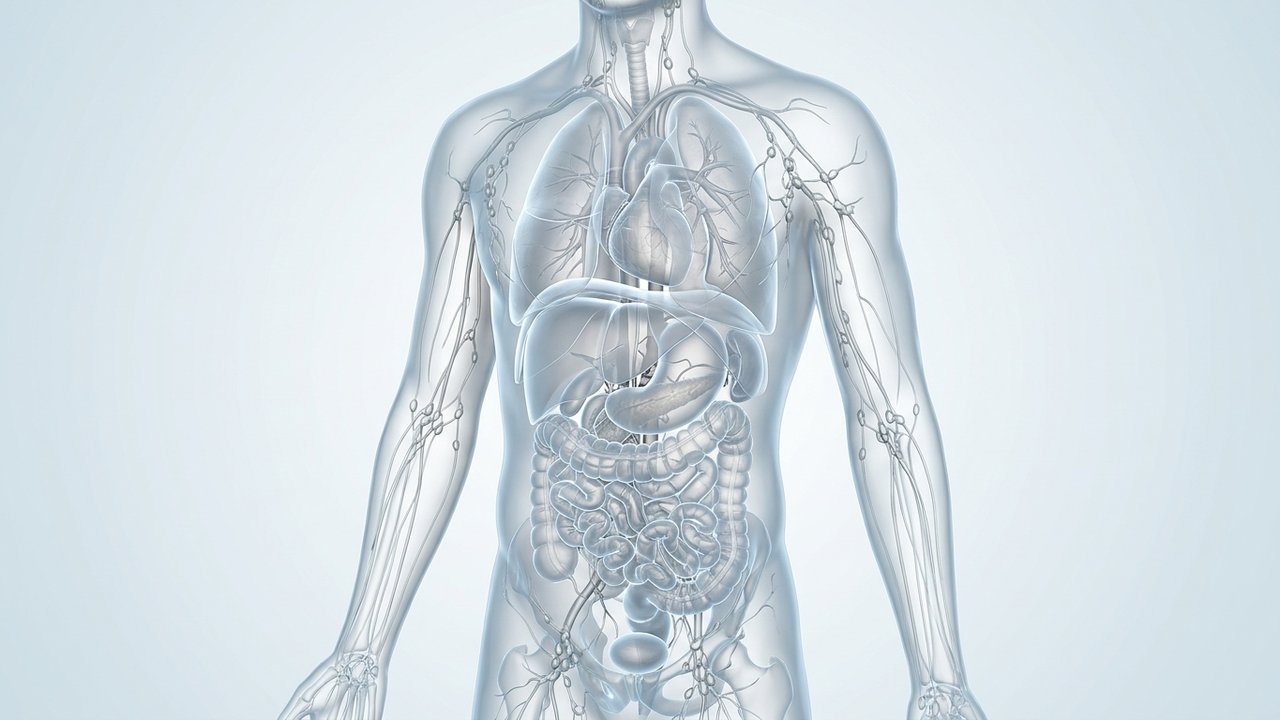
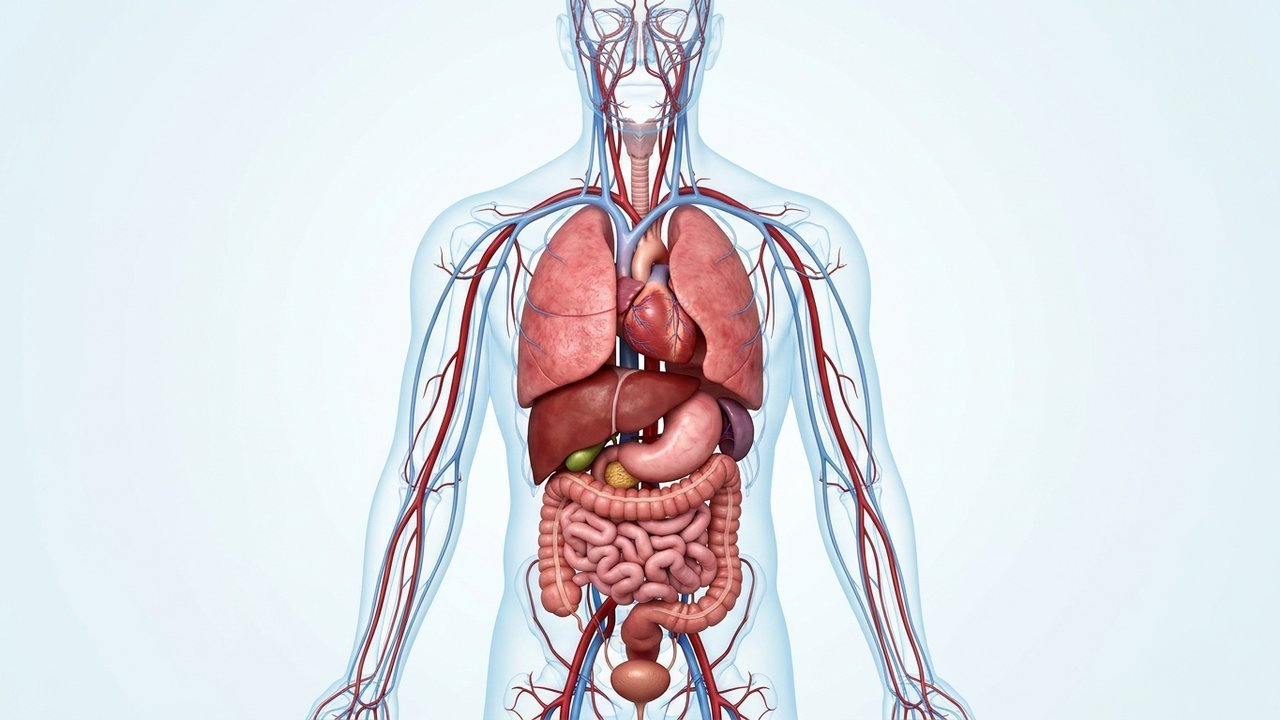
Anterior 3D anatomical view of human thoracic and abdominal organs in situ including lungs, heart, diaphragm, liver, gallbladder, stomach, spleen, pancreas, kidneys and intestines
Standard anatomical situs of the twelve organ systems and the brain within the cranial, thoracic and abdominal cavities.

The twelve organ systems by element

Each entry sets the Chinese medicine view beside anatomy, then states plainly where they match and where they differ. The Brain is added as an extraordinary organ.

Wood

Spring, the East, sour flavor, green, the emotion of anger. Wood generates Fire and controls Earth.

WoodZang organ

Liver

Anatomy: Liver · paired with Gallbladder

View on 3D model
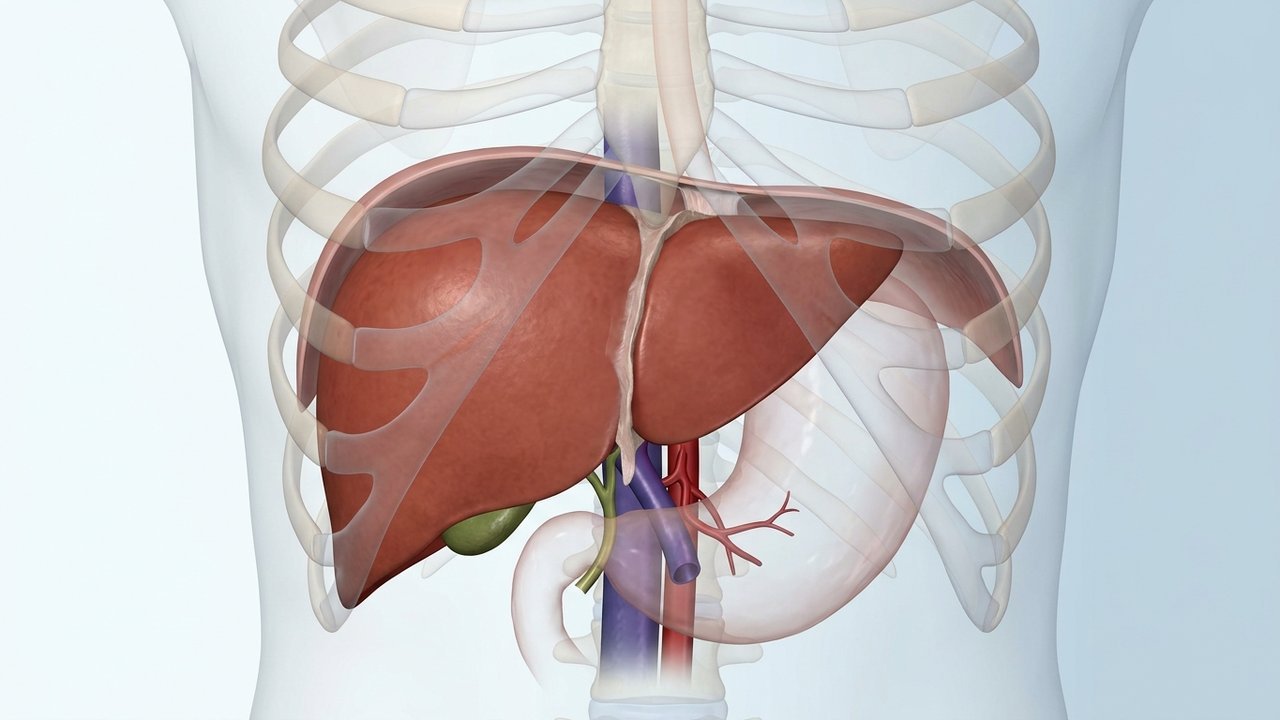
3D clinical anatomy of the human liver showing right and left lobes, falciform ligament, hepatic portal vein, hepatic artery and bile duct
Anatomical liver (lobes, portal triad and biliary tree) beside the Chinese medicine Liver functions of coursing qi and storing blood.
Chinese medicine

The Liver stores blood, keeps the flow of qi smooth, governs the sinews and opens into the eyes. It thrives on ease and suffers under constraint.

Western medicine

The liver is the largest solid organ in the abdomen, under the right diaphragm. It runs carbohydrate, fat and protein metabolism, makes bile, clears toxins, stores glycogen and produces most clotting proteins.

Comparison. The two views meet on blood storage and metabolism. Sinews, eyes and the regulation of emotion are areas Chinese medicine assigns to the Liver that anatomy does not place in the liver.

Liver meridian (Foot Jueyin) · peak Chou 01:00 to 03:00

Full page on the Liver
WoodFu organ

Gallbladder

Anatomy: Gallbladder · paired with Liver

View on 3D model
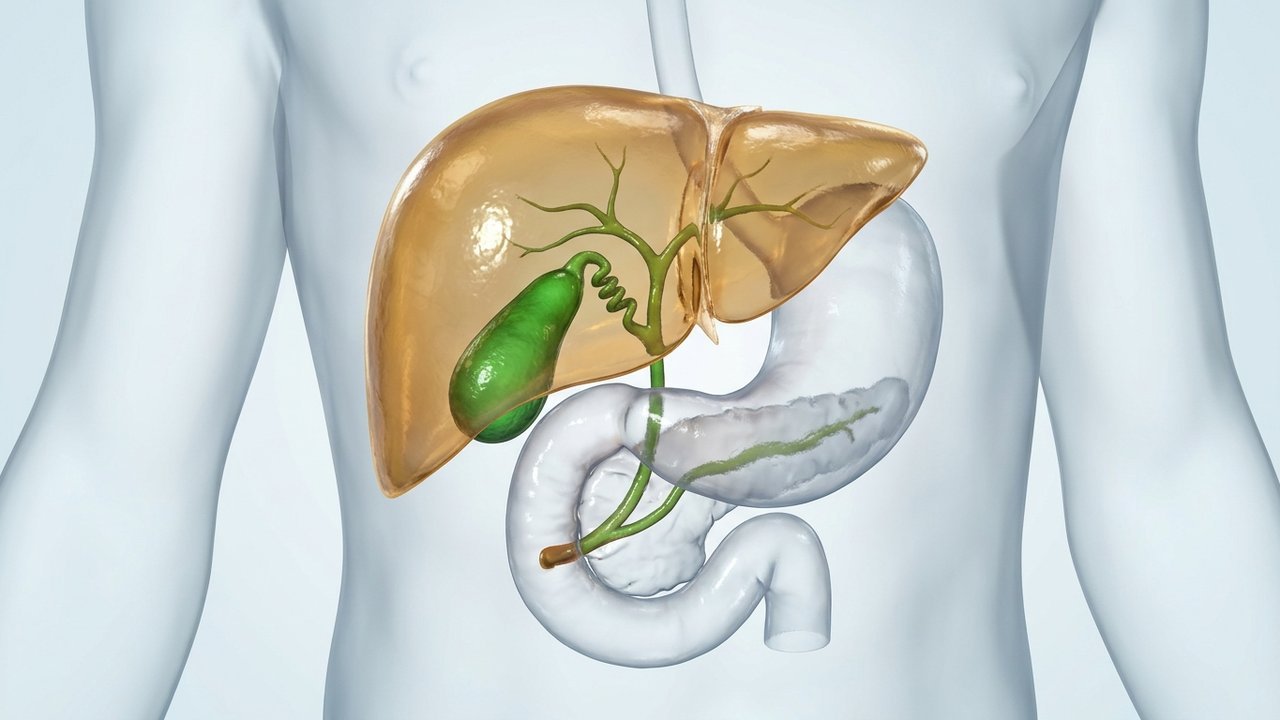
3D clinical anatomy of the pear-shaped gallbladder beneath the liver with cystic duct, common hepatic duct and common bile duct entering the duodenum
Gallbladder and extrahepatic biliary tree concentrating bile for lipid digestion, paired with the Gallbladder fu organ.
Chinese medicine

The Gallbladder stores bile, a refined fluid, and governs decisiveness. It counts both as a fu organ and as an extraordinary organ, since what it holds is essence rather than waste.

Western medicine

The gallbladder sits under the liver, concentrates and stores bile, and contracts to release it into the duodenum when fat arrives.

Comparison. Bile storage and release match on both sides. Decisiveness belongs to the mental theory of Chinese medicine.

Gallbladder meridian (Foot Shaoyang) · peak Zi 23:00 to 01:00

Full page on the Gallbladder

Fire

Summer, the South, bitter flavor, red, the emotion of joy. Fire generates Earth and controls Metal.

FireZang organ

Heart

Anatomy: Heart · paired with Small Intestine

View on 3D model
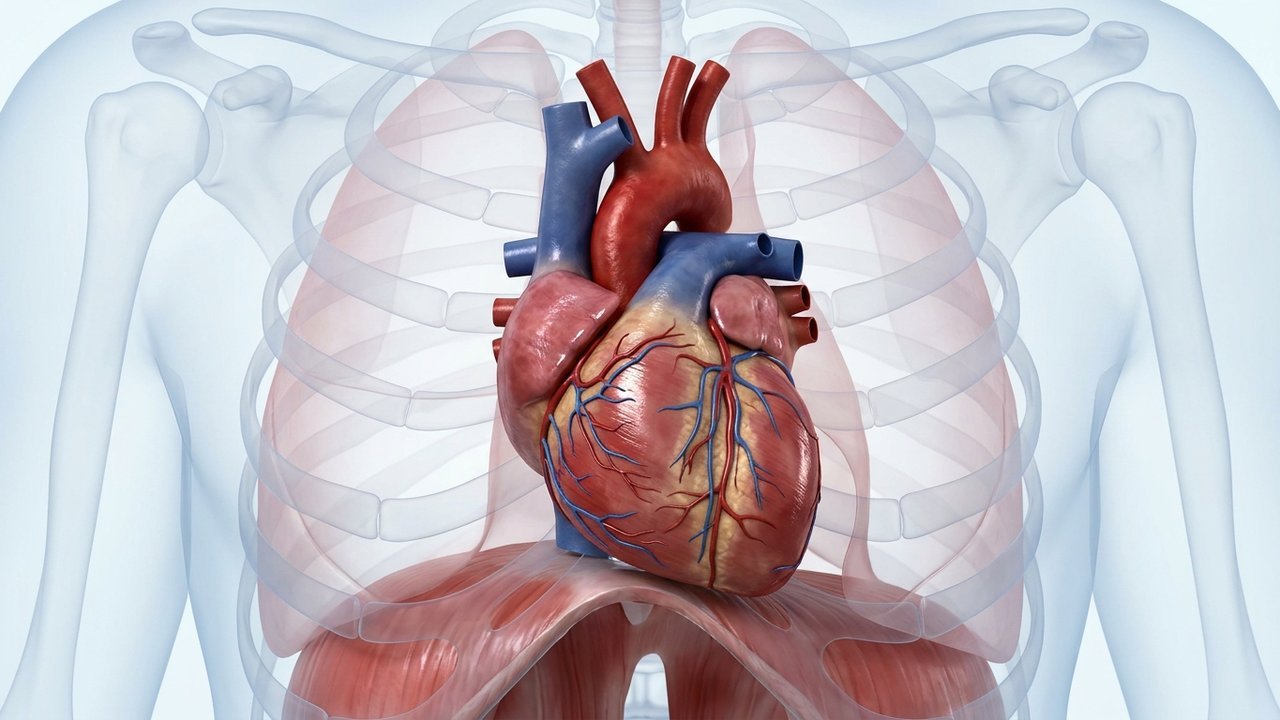
3D clinical anatomy of the human heart in the mediastinum showing four chambers, aortic arch, pulmonary trunk, venae cavae and coronary arteries
Four-chambered heart and coronary circulation pumping blood systemically, compared with the Heart governing blood vessels and housing spirit.
Chinese medicine

The Heart governs blood and vessels, houses the spirit, opens into the tongue and shows on the face. The Inner Classic calls it the sovereign among the organs.

Western medicine

The heart has four chambers and pumps blood through the pulmonary and systemic circulations.

Comparison. Pumping blood matches "governing the vessels". The spirit housed in the Heart, meaning consciousness and mind, is placed in the brain by modern medicine.

Heart meridian (Hand Shaoyin) · peak Wu 11:00 to 13:00

Full page on the Heart
FireFu organ

Small Intestine

Anatomy: Small intestine · paired with Heart

View on 3D model
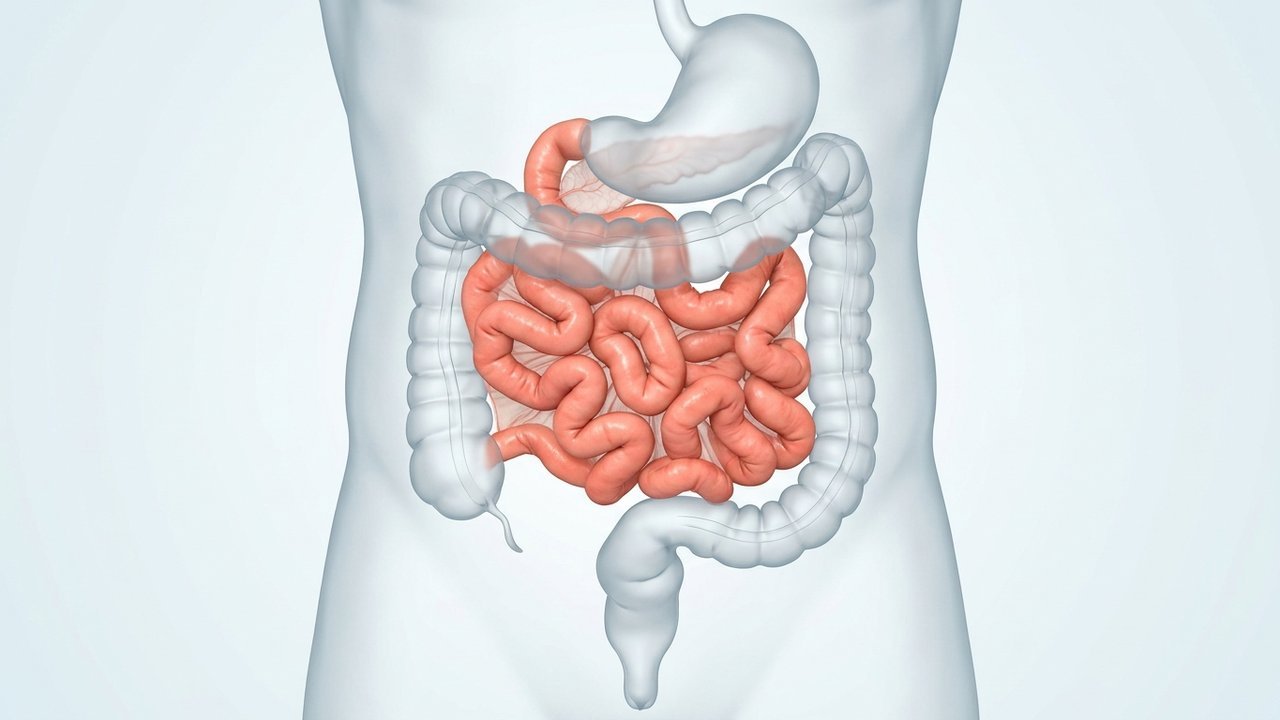
3D clinical anatomy of the human small intestine showing duodenum, jejunum, ileum, mesenteric vessels and mucosal villi
Duodenum, jejunum and ileum absorbing nutrients, compared with the Small Intestine separating clear from turbid.
Chinese medicine

The Small Intestine receives food from the Stomach, continues digestion and separates the clear from the turbid, sending the clear up to nourish the body and the turbid down.

Western medicine

The small intestine, made of duodenum, jejunum and ileum, is where most digestion and nutrient absorption take place.

Comparison. Separating clear from turbid is close to absorption and rejection in the small intestine, one of the clearest overlaps between the two systems.

Small Intestine meridian (Hand Taiyang) · peak Wei 13:00 to 15:00

Full page on the Small Intestine
FireZang organ

Pericardium

Anatomy: Pericardium · paired with Triple Burner

View on 3D model
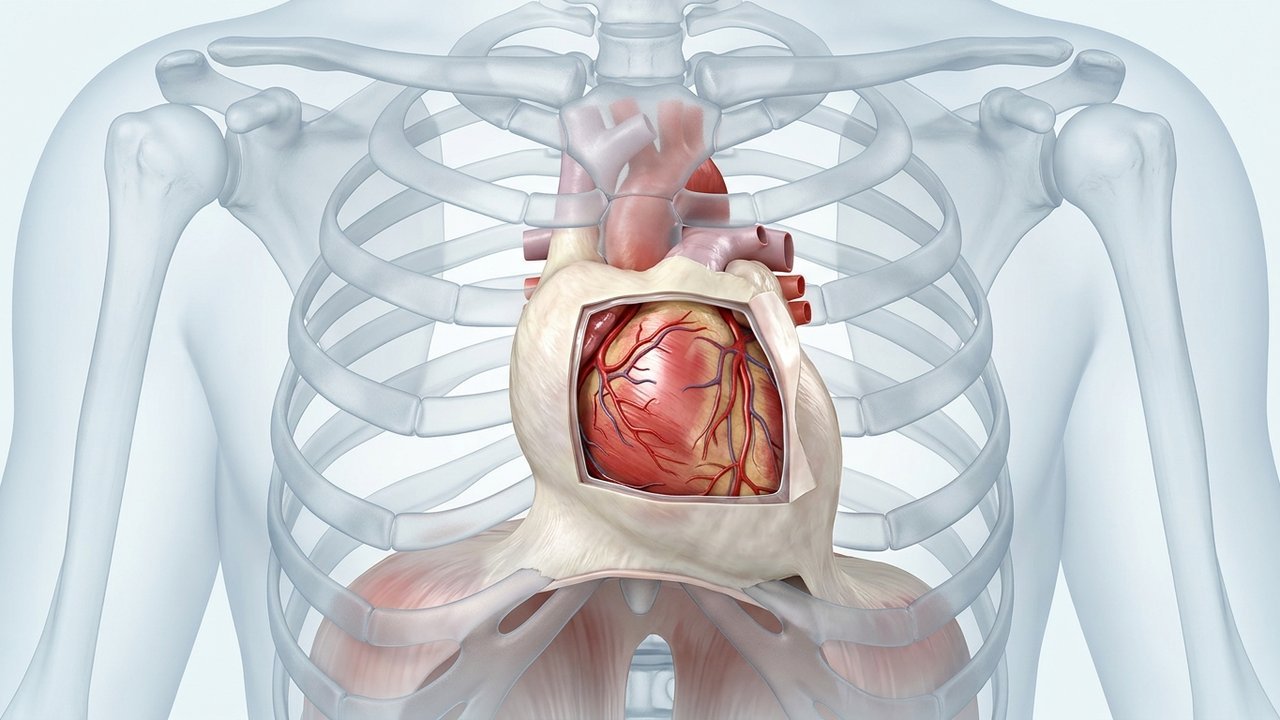
3D clinical cutaway of the human pericardium showing fibrous pericardium, parietal and visceral serous layers and pericardial cavity around the heart
Double-walled pericardial sac cushioning the heart in the mediastinum, directly matching the Pericardium in Chinese medicine.
Chinese medicine

The Pericardium wraps and protects the Heart and receives pathogens in its place.

Western medicine

The pericardium is a fibroserous sac around the heart that anchors it and reduces friction as it beats.

Comparison. The anatomical position matches. Receiving pathogens on behalf of the Heart is a concept unique to Chinese medicine.

Pericardium meridian (Hand Jueyin) · peak Xu 19:00 to 21:00

Full page on the Pericardium
FireFu organ

Triple Burner

Anatomy: No anatomical counterpart · paired with Pericardium

View on 3D model
3D clinical anatomy of the three human body cavities showing thoracic cavity, upper abdominal cavity, pelvic cavity, lymphatic thoracic duct and visceral fascia
Thoracic, upper abdominal and pelvic cavities with lymphatic and fascial networks, compared with the Upper, Middle and Lower Burners.
Chinese medicine

The Triple Burner is the pathway of source qi and body fluids, divided into three spaces. The Spiritual Pivot describes the upper burner as mist, the middle as a soaking vat and the lower as a drainage ditch.

Western medicine

Anatomy has no organ by this name. Researchers have compared it to the body cavities, the mesentery, the interstitium and the lymphatic system, without agreement.

Comparison. This is the clearest sign that zang-fu are functional systems rather than anatomical organs. On the model it appears as three horizontal zones of the trunk.

Triple Burner meridian (Hand Shaoyang) · peak Hai 21:00 to 23:00

Full page on the Triple Burner

Earth

Late summer, the Center, sweet flavor, yellow, the emotion of worry. Earth generates Metal and controls Water.

EarthZang organ

Spleen

Anatomy: Spleen and pancreas · paired with Stomach

View on 3D model
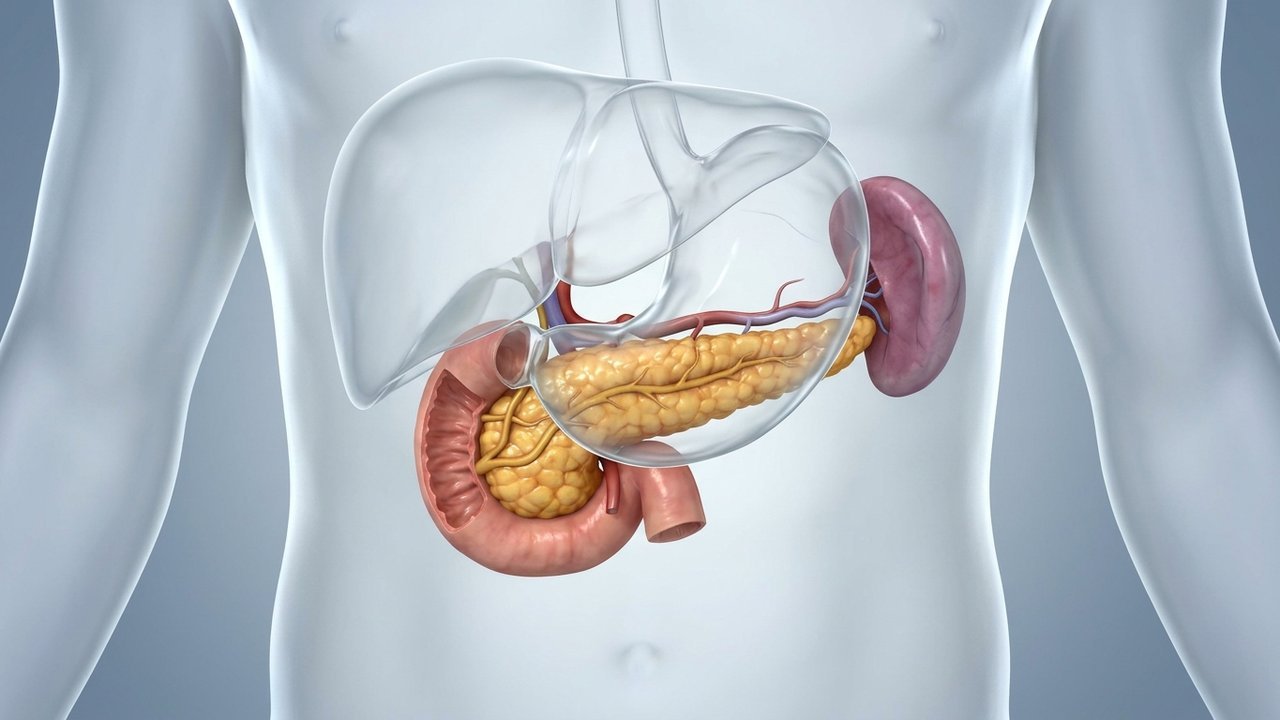
3D clinical anatomy of the human spleen and pancreas showing splenic vessels, pancreatic head-body-tail and main pancreatic duct entering the duodenum
Spleen (hematologic immunity) paired with the pancreas (digestive enzymes and insulin), illuminating Spleen transformation and transportation.
Chinese medicine

The Spleen transforms and transports food and fluids, keeps blood within the vessels, governs the flesh and limbs and opens into the mouth. It is the root of postnatal life.

Western medicine

The spleen filters blood, removes old red cells and supports immunity. The pancreas secretes digestive enzymes and the hormones insulin and glucagon.

Comparison. The Spleen of Chinese medicine is closer to digestion, absorption and part of pancreatic function than to the spleen itself, so the model highlights both.

Spleen meridian (Foot Taiyin) · peak Si 09:00 to 11:00

Full page on the Spleen
EarthFu organ

Stomach

Anatomy: Stomach · paired with Spleen

View on 3D model
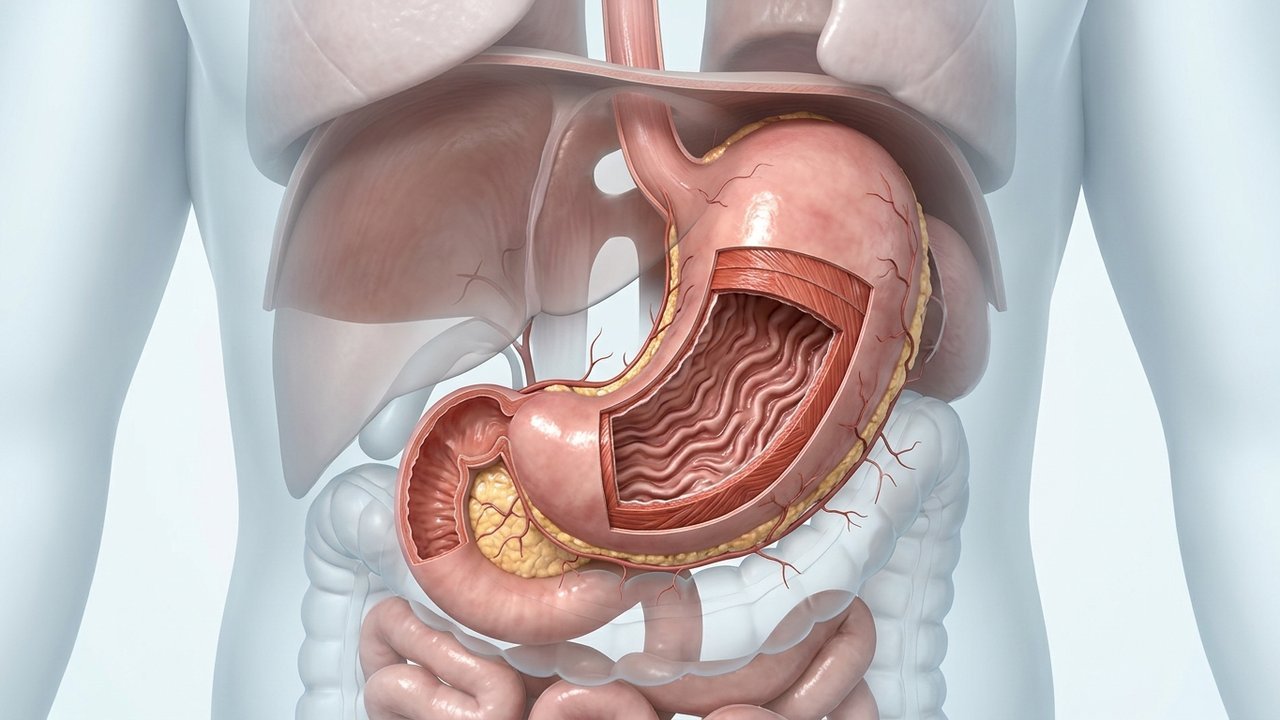
3D clinical cutaway of the human stomach showing cardia, fundus, body, pyloric antrum, three smooth muscle layers and gastric rugae
Stomach churning chyme with gastric acid toward the duodenum, matching the Stomach receiving and ripening food and drink.
Chinese medicine

The Stomach receives and ripens food and is called the sea of grain and water. Its qi naturally descends.

Western medicine

The stomach holds and churns food and secretes acid and pepsin to begin protein digestion.

Comparison. Receiving and ripening match. Descending Stomach qi corresponds to the motility that moves food into the intestine.

Stomach meridian (Foot Yangming) · peak Chen 07:00 to 09:00

Full page on the Stomach

Metal

Autumn, the West, pungent flavor, white, the emotion of grief. Metal generates Water and controls Wood.

MetalZang organ

Lung

Anatomy: Lungs · paired with Large Intestine

View on 3D model
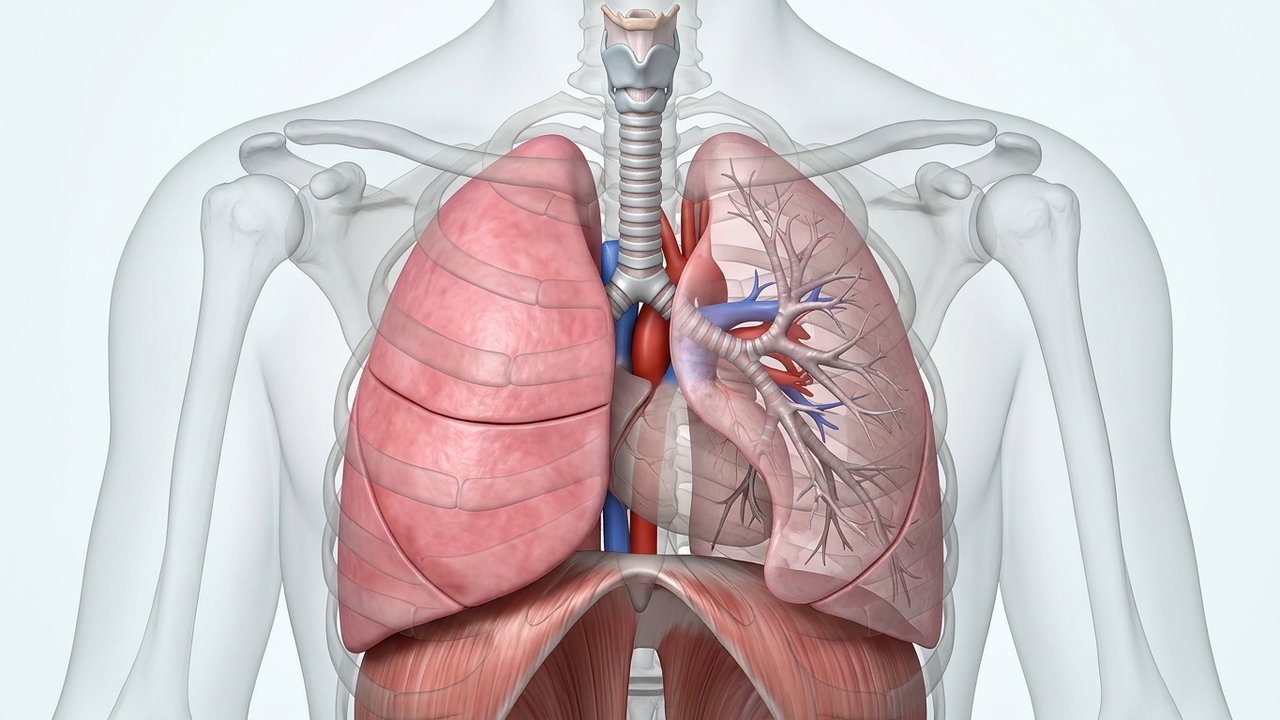
3D clinical anatomy of the human right three-lobed lung and left two-lobed lung with trachea, bronchial tree and alveolar gas-exchange sacs
Trachea, bronchial tree and lungs exchanging oxygen and carbon dioxide, compared with the Lung governing qi and respiration.
Chinese medicine

The Lung governs qi and breathing, disperses and descends, regulates the water passages, governs skin and hair and opens into the nose.

Western medicine

The lungs exchange gases, taking oxygen into the blood and releasing carbon dioxide. The trachea and bronchi carry the air.

Comparison. Breathing matches fully. The nose is the gateway of the airway, so the two views are close there, while the link between the Lung and the skin and water passages is unique to Chinese medicine.

Lung meridian (Hand Taiyin) · peak Yin 03:00 to 05:00

Full page on the Lung
MetalFu organ

Large Intestine

Anatomy: Large intestine · paired with Lung

View on 3D model
3D clinical anatomy of the human large intestine showing cecum, appendix, ascending, transverse, descending and sigmoid colon and rectum
Colon frames reabsorbing water and electrolytes before elimination, matching the Large Intestine conveying waste.
Chinese medicine

The Large Intestine receives residue from the Small Intestine, absorbs some fluid and conveys the waste out.

Western medicine

The large intestine, from cecum to rectum, absorbs water and electrolytes and forms and expels stool.

Comparison. Both describe the conveyance of waste in almost the same way.

Large Intestine meridian (Hand Yangming) · peak Mao 05:00 to 07:00

Full page on the Large Intestine

Water

Winter, the North, salty flavor, black, the emotion of fear. Water generates Wood and controls Fire.

WaterZang organ

Kidney

Anatomy: Kidneys · paired with Bladder

View on 3D model
3D clinical anatomy of paired human kidneys and adrenal glands with coronal cross-section showing renal cortex, medulla, pelvis, renal vessels and ureters
Paired kidneys filtering blood and regulating water-electrolytes alongside adrenal endocrine glands, compared with the Kidney governing water and storing essence.
Chinese medicine

The Kidney stores essence, governs growth and reproduction, water, the grasping of qi, bones and marrow, and opens into the ears and the two lower orifices. It is the root of prenatal life.

Western medicine

The kidneys filter blood into urine, regulate water, electrolytes and blood pressure, release erythropoietin for red cell production and activate vitamin D.

Comparison. Governing water matches filtration and fluid balance. Growth, reproduction and bones relate more to the endocrine system, including the adrenal and reproductive glands.

Kidney meridian (Foot Shaoyin) · peak You 17:00 to 19:00

Full page on the Kidney
WaterFu organ

Bladder

Anatomy: Urinary bladder · paired with Kidney

View on 3D model
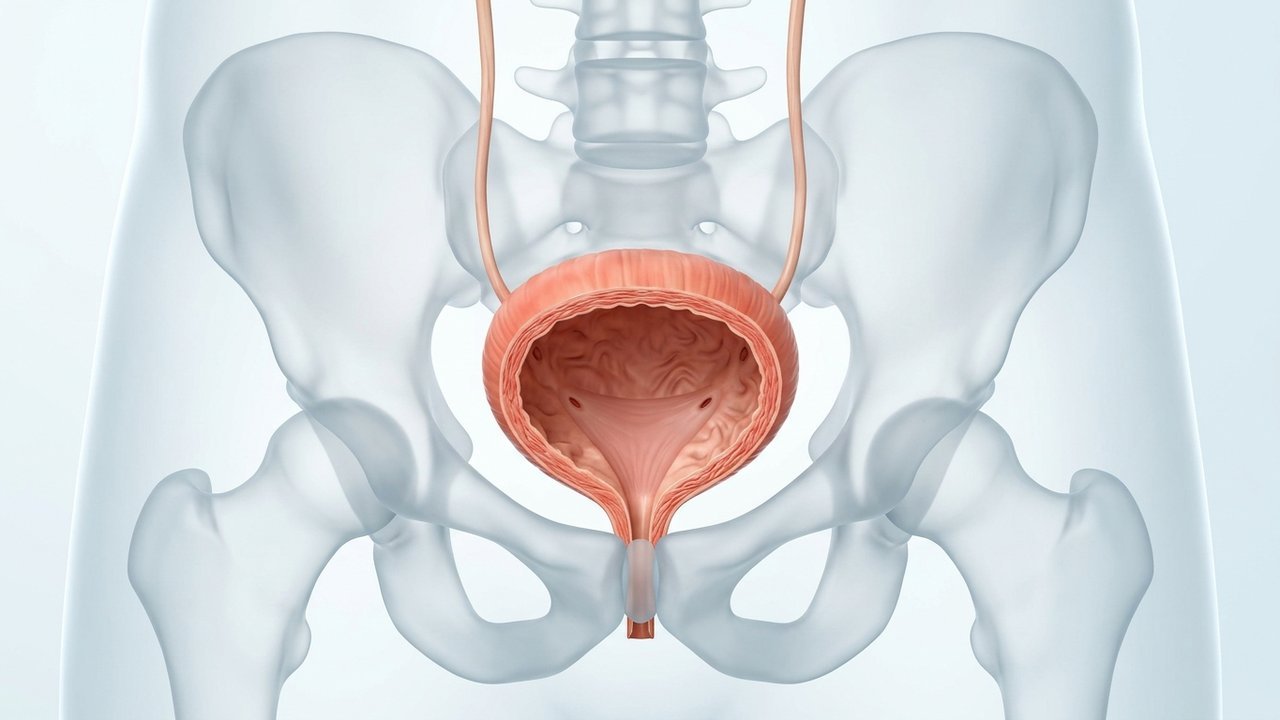
3D clinical cutaway of the human urinary bladder showing detrusor muscle wall, trigone, ureteric orifices and bladder neck with urethra
Urinary bladder storing and voiding urine via detrusor and sphincter control, matching the Bladder storing fluids.
Chinese medicine

The Bladder stores and releases urine through the qi transformation of the Kidney.

Western medicine

The bladder is a muscular sac that collects urine from the ureters and expels it through the urethra.

Comparison. The two views match. Chinese medicine stresses the Bladder's dependence on the Kidney.

Bladder meridian (Foot Taiyang) · peak Shen 15:00 to 17:00

Full page on the Bladder
WaterExtraordinary organ

Brain

Anatomy: Brain

View on 3D model
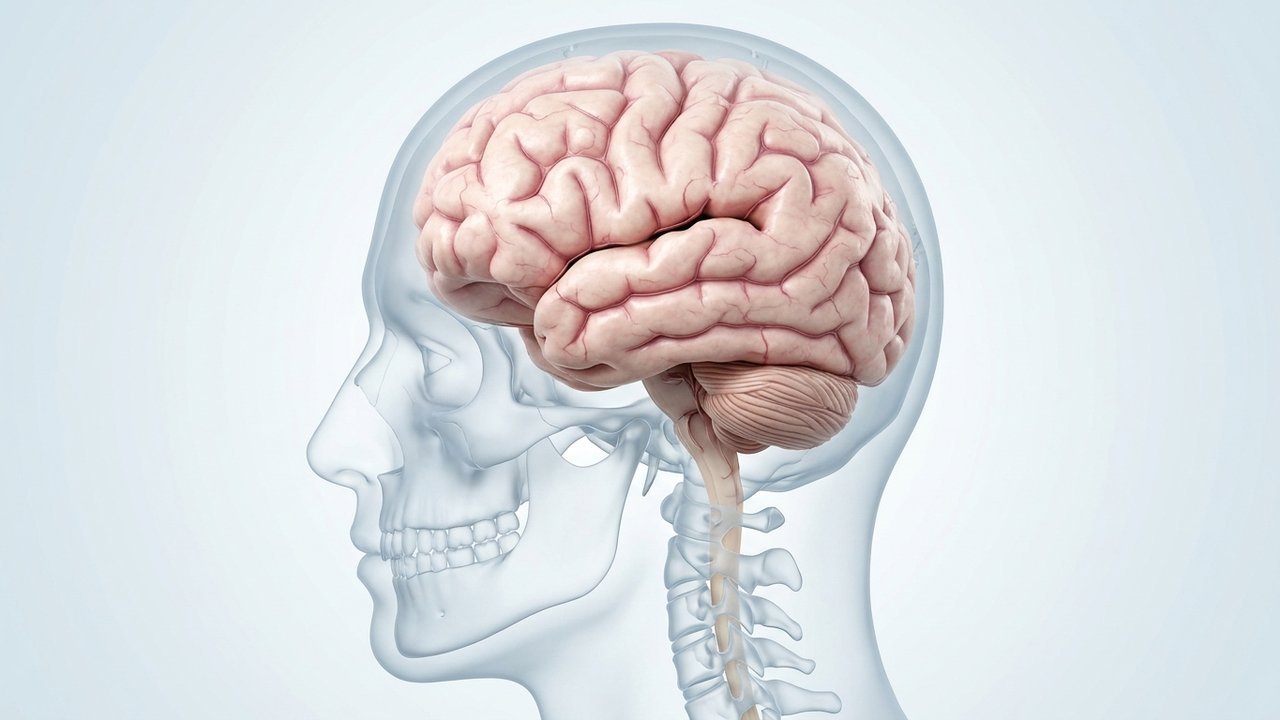
3D clinical anatomy of the human brain showing cerebral hemispheres, corpus callosum, thalamus, hypothalamus, pituitary gland, cerebellum and brainstem
Cerebrum, diencephalon, cerebellum and brainstem governing cognition, senses and movement, compared with the Brain as the sea of marrow.
Chinese medicine

The Brain is an extraordinary organ. The Spiritual Pivot calls it the sea of marrow. Since the Kidney governs marrow, the Brain is tied to the Kidney and the model places it under Water.

Western medicine

The brain is the center of the nervous system, governing movement, sensation, cognition, emotion and memory.

Comparison. Classical Chinese medicine places the mind in the Heart, modern medicine in the brain. This is the largest gap between the two systems.

Linked to the Governing Vessel

Full page on the Brain

Openings and tissues of the five organs

Each zang organ opens into a sense organ and governs a tissue. Each page sets the classical statement beside what anatomy and physiology have found.

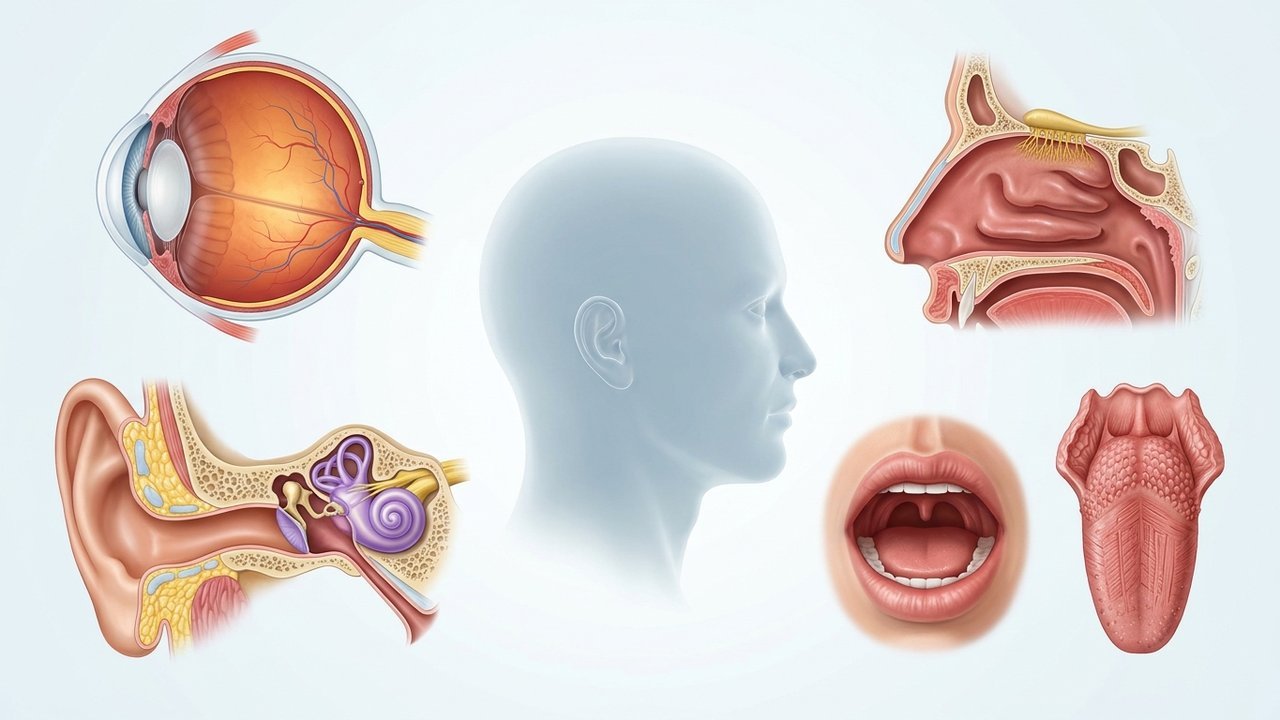
Five sensory openings

Clinical 3D anatomy of the five human sensory organs showing the eye and optic nerve, inner ear cochlea, nasal cavity, oral cavity and tongue
Five sensory openings: eyes linked to Liver, tongue to Heart, mouth to Spleen, nose to Lung and ears to Kidney.
  • EyesOpening of the Liver. In Chinese medicine the eyes are the opening of the Liver, and when Liver qi is in harmony the eyes can tell the five colours apart.
  • EarsOpening of the Kidney. In Chinese medicine the ears are the opening of the Kidney, and when Kidney qi is in harmony the ears hear the five tones.
  • NoseOpening of the Lung. In Chinese medicine the nose is the opening of the Lung, and when Lung qi is in harmony the nose can tell fragrant from foul.
  • Mouth and lipsOpening of the Spleen. In Chinese medicine the mouth is the opening of the Spleen, when the Spleen is in harmony the mouth knows the five flavours, and moist pink lips mean a sound Spleen.
  • TongueOpening of the Heart. In Chinese medicine the tongue is the opening of the Heart, when Heart qi is in harmony the tongue tastes the five flavours, and a moist pink tongue body means Heart blood is ample.

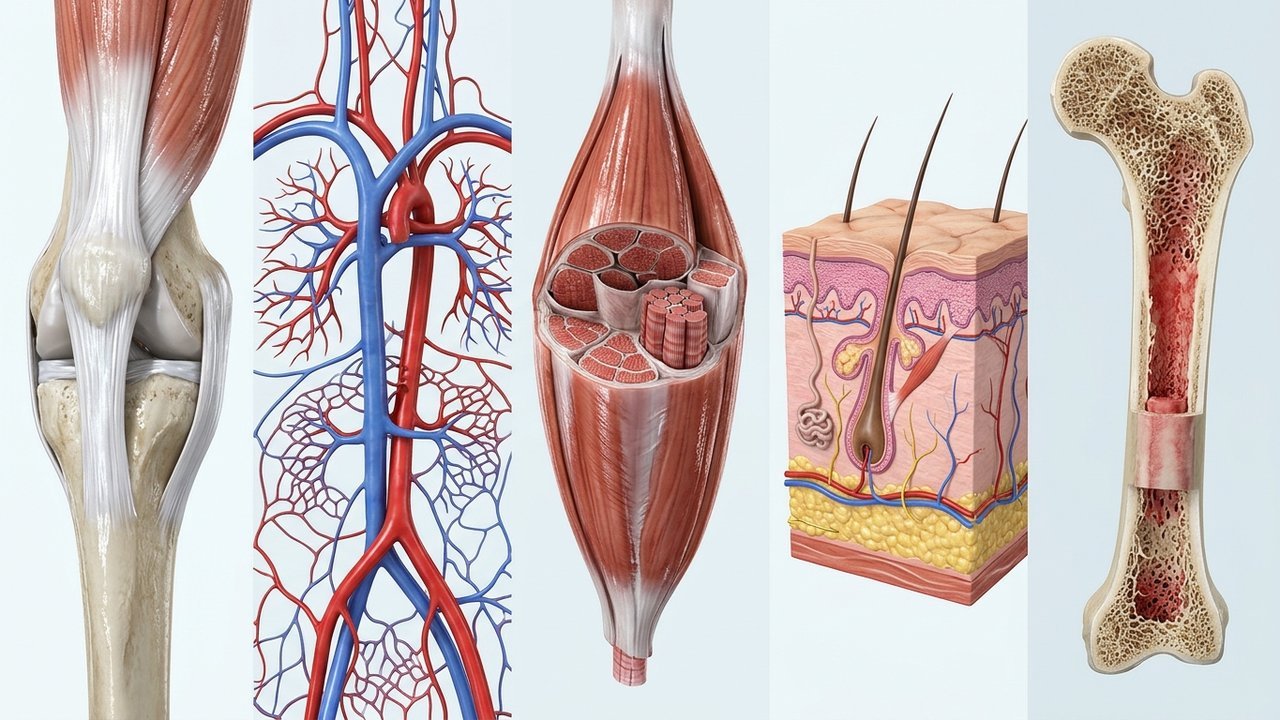
Five anatomical tissues

Clinical 3D macro-anatomy of the five human body tissues showing tendons and fascia, blood vessels, skeletal muscle fibers, skin layers and cortical-trabecular bone
Five anatomical tissue layers: tendons, blood vessels, skeletal muscle, skin and bone marrow.
  • SinewsTissue of the Liver. In Chinese medicine the Liver governs the sinews and shows in the nails, and sinews cover tendons, ligaments and the power to bend and stretch.
  • VesselsTissue of the Heart. In Chinese medicine the Heart governs blood and vessels, shows in the complexion, and the pulse is the expression of Heart qi.
  • Flesh and muscleTissue of the Spleen. In Chinese medicine the Spleen governs the flesh and the four limbs, transforming the fine essence of food to nourish muscle.
  • Skin and body hairTissue of the Lung. In Chinese medicine the Lung governs skin and body hair, controls the opening and closing of the pores, and spreads defensive qi and fluids to the skin.
  • Bones and marrowTissue of the Kidney. In Chinese medicine the Kidney stores essence, essence generates marrow, marrow nourishes bone and brain, so the Kidney governs bone and teeth are the overflow of bone.

Destiny reading and health

In Four Pillars each Heavenly Stem is paired with an organ. Readers check which element in the chart is excessive, deficient or heavily controlled before speaking of the matching organs. In Zi Wei Dou Shu health is read in the Health Palace.

Clinical 3D physiological illustration of human thermoregulation, microvascular circulation and autonomic homeostasis balancing cold and heat
Autonomic thermoregulation and visceral homeostasis compared with seasonal climate balance in Four Pillars reading.
The ten Heavenly Stems and their organs
StemJiaYiBingDingWuJiGengXinRenGui
OrganGallbladderLiverSmall IntestineHeartStomachSpleenLarge IntestineLungBladderKidney

4-System Medical & Destiny EngineFour Pillars chartZi Wei chart

Questions and answers

What is the Body and Five Elements Atlas?

A reference library by Master Ung Khiem that places a 3D human body beside Chinese and Western medicine and links each organ system to the Five Elements, feng shui and destiny reading, in English and Vietnamese.

Are Chinese medicine organs the same as anatomical organs?

Not entirely. They are functional systems. The Spleen is closer to digestion than to the spleen, and the Triple Burner has no anatomical counterpart. Each entry has a comparison that states where the two agree and differ.

How do the Five Elements cycles map to the organs?

Kidney (Water) generates Liver (Wood), Liver generates Heart (Fire), Heart generates Spleen (Earth), Spleen generates Lung (Metal), Lung generates Kidney. Liver controls Spleen, Spleen controls Kidney, Kidney controls Heart, Heart controls Lung, Lung controls Liver.

What is the meridian clock?

The teaching that qi and blood peak in each of the twelve meridians in turn across the twelve double hours, starting with the Lung meridian from 3 to 5 a.m.

Does the library replace a doctor?

No. It is for research and reference only and does not replace medical diagnosis or treatment. Please see a doctor for any health concern.

Official Academic, Classical & Medical Sources

  1. Yellow Emperor's Inner Classic (Huangdi Neijing: Plain Questions / Suwen and Spiritual Pivot / Lingshu) · Foundation of Zang-Fu organ theory, twelve meridians, and Five Elements pathology.
  2. Zhang Zhongjing, Treatise on Cold Damage (Shanghan Lun) and Essentials from the Golden Cabinet (Jingui Yaolue) · Clinical differentiation of Cold, Heat, Deficiency, and Excess.
  3. Chen Tuan (Master Xi Yi), Complete Compendium of Purple Star Astrology (Zi Wei Dou Shu Quan Shu), Tai Wei Fu, and Gu Sui Fu · System of the Health Palace (Ji E) and 8-source star pathology.
  4. Xu Ziping, Deep Ocean of Zi Ping (Yuan Hai Zi Ping); Wan Minying, Compendium of Three Fates (San Ming Tong Hui); and Di Tian Sui · Ten Heavenly Stems paired with organs, Twelve Earthly Branches, and Climate Regulation (Tiao Hou).
  5. Chen Tuan & Shao Yong, He Luo Li Shu (He Luo Numerology) and Book of Changes (I Ching, Discussion of the Trigrams / Shuo Gua Zhuan) · Trigram-body correspondences and the 6 anatomical tiers of the Yuan Tang Governing Line.
  6. Monk Ruoguan, Eight Mansions Bright Mirror (Ba Zhai Ming Jing, standardized with Master Ung Khiem 2022 24 Blessing Stars Diagrams); and Shen Zhureng, Shen Shi Xuan Kong Xue · Eight Mansions portents and Period 9 Flying Star pathology (Two Black #2 and Five Yellow #5).
  7. StatPearls Publishing (NCBI Bookshelf, U.S. National Library of Medicine), Physiology, Hepatic & Biliary Systems. PubMed 30571059 · PubMed 30725792
  8. World Health Organization (WHO), International Classification of Diseases 11th Revision (ICD-11), Chapter 26: Supplementary Chapter Traditional Medicine Conditions.
  9. 3D anatomical model: Z-Anatomy (CC BY-SA 4.0 International), built upon BodyParts3D by The Database Center for Life Science (DBCLS, Research Organization of Information and Systems, Japan).

Researched, compiled and reviewed by Master Ung Khiem (Tran Quoc Dung) · UK Master Academy · Updated 12 November 2026

✦ 4-SYSTEM 3D MEDICAL & DESTINY ENGINE

See which organ system your birth chart loads on the 3D Body

Enter your solar birth date, birth hour, and house facing to compute Zi Wei, BaZi, He Luo, and Feng Shui simultaneously across 6 anatomical stations and unlock your personal remedy dossier.

⚡ Enter Birth Date · Run 4-System Reading

Explore dedicated atlas pages