HALL OF MYRIAD PATHSVẠN ĐẠO ĐƯỜNGTiếng ViệtVIMaster Ưng Khiêm's site
HALL OF MYRIAD PATHS

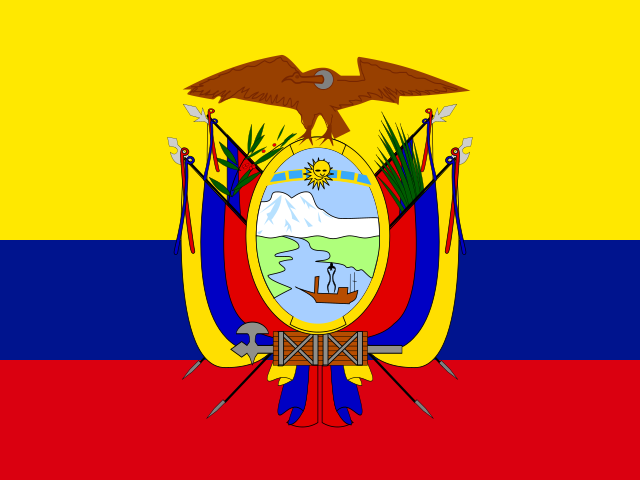
Ecuador

Tradition present: Catholicism

Five places written in Ecuador. Each carries its history, architecture, site and orientation, festivals, and the way to get there.

Places
5
written
Traditions
1
present
Regions
4
regions, cities
English
5
pages translated

IPlaces Written

All 5 pages now have an English version.

By region
Catholicism · Pichincha · 1605 tới 1765Church of La Compañía, QuitoIglesia de la Compañía de Jesús, Iglesia de la Compañía, La Compañía de Jesús, Church of La Compañía, Nhà thờ Dòng Tên Quito

A Jesuit church built over 160 years from 1605 to 1765 on the model of Il Gesù and Sant'Ignazio in Rome, its interior covered in 23-carat gold leaf across altars, walls, and columns as the pinnacle of the Quito Baroque school. Its volcanic andesite facade with six Solomonic columns was finished in 1765, and inside rests Saint Mariana de Jesús, the first canonized saint of Ecuador, within the City of Quito UNESCO World Heritage Site inscribed in 1978.

UNESCO World Heritage Site (City of Quito, 1978)Centro Histórico de Quito, gần Plaza Grande, Quito

Photo: Maros M r a z (Maros), CC BY-SA 3.0, Wikimedia Commons

Catholicism · Pichincha Province (Quito Metropolitan District) · Đề xướng năm 1883 bởi linh mục Julio Matovelle để kỷ niệm việc Tổng thống Gabriel García Moreno và Quốc hội dâng hiến đất nước cho Thánh Tâm Chúa Giêsu (1873 tới 1874); kiến trúc sư Pháp Émile Tarlier thiết kế năm 1890 lấy cảm hứng từ Nhà thờ chính tòa Bourges; đặt viên đá đầu tiên ngày 10 tháng 7 năm 1892; Đức Giáo hoàng Gioan Phaolô II làm phép ngày 30 tháng 1 năm 1985 và cung hiến chính thức ngày 12 tháng 7 năm 1988Basilica of the National Vow, QuitoBasilica del Voto Nacional, Basilica de la Consagracion de Jesus, Sanctuary of the National Vow on San Juan Hill in Quito

The largest Neo-Gothic basilica in the Americas, commanding the hill of San Juan at 2,850 meters elevation above the UNESCO-listed Historic Center of Quito, begun on July 10, 1892 through the initiative of Father Julio Matovelle and the designs of French architect Emile Tarlier to commemorate Ecuador's national consecration to the Sacred Heart of Jesus, and famed for its twin 115-meter front towers and stone gargoyles carved in the forms of Galapagos giant tortoises, marine iguanas, Andean condors, pumas, and armadillos.

Largest Neo-Gothic Basilica in the Americas, National Monument to the Consecration of the Republic of Ecuador to the Sacred Heart of Jesus, and Iconic Landmark of the Historic Center of Quito (UNESCO World Heritage Site, 1978)Calle Venezuela and Calle Carchi, Santa Prisca and San Juan Hill, Historic Center of Quito 170401, Pichincha Province, Republic of Ecuador

Photo: Quito magnífico (shifted by Rabanus Flavus ), CC BY-SA 4.0, Wikimedia Commons

Catholicism · Loja Province (El Cisne Parish, Loja Canton) · Khởi nguồn từ cuộc hiện ra ngày 12 tháng 10 năm 1594 và pho tượng gỗ tuyết tùng do điêu khắc gia Tây Ban Nha Diego de Robles tạc tại Quito năm 1594; Simón Bolívar ban sắc lệnh bảo hộ lễ hội hành hương năm 1829; đội triều thiên giáo hoàng ngày 8 tháng 9 năm 1930; ngôi Vương cung thánh đường Tân Gothic thứ tư khởi công ngày 15 tháng 8 năm 1934, hoàn thành năm 1978, cung hiến ngày 12 tháng 8 năm 1979 và nâng lên hàng Tiểu Vương cung thánh đường năm 1980National Sanctuary of Our Lady of El CisneBasilica Nacional de Nuestra Senora de El Cisne, Santuario de la Virgen del Cisne (La Churona), National Basilica of Our Lady of the Swan in Loja

Ecuador's premier Marian pilgrimage sanctuary perched dramatically at 2,440 meters elevation atop Cerro Chayalama in the Andean village of El Cisne, Loja Province, founded in 1594 around the miraculous cedarwood statue of Our Lady of El Cisne (affectionately known as La Churona) carved by Spanish Renaissance master Diego de Robles, crowned by a sky-blue and white Neo-Gothic Minor Basilica built between 1934 and 1978, and world-renowned for the annual August walking pilgrimage (La Romeria) in which over half a million devotees carry the Virgin 74 kilometers across the mountains to the Cathedral of Loja.

National Sanctuary and Papal Minor Basilica (Elevated by Pope John Paul II in 1980), Largest Marian Pilgrimage Center in Ecuador, and Historic Heritage Protected by the 1829 Decree of Liberator Simon BolivarCerro Chayalama Summit (2,440 m elevation in the southern Andes), Town of El Cisne (70 km northwest of Loja), Loja Canton, Loja Province 110153, Republic of Ecuador

Photo: Berposen, CC BY-SA 3.0, Wikimedia Commons

Catholicism · Pichincha Province (Quito Metropolitan District) · Khởi lập tháng 1 năm 1535 bởi tu sĩ dòng Phanxicô người Vlaanderen là Fray Jodoco Ricke và Fray Pedro Gocial ngay trên nền cung điện Inca thời Atahualpa; xây dựng nhà thờ chính và tu viện từ năm 1537 tới năm 1605 (hoàn thiện toàn bộ quần thể 13 sân tu viện vào khoảng năm 1680)Church and Convent of San Francisco, QuitoIglesia y Convento de San Francisco de Quito, Basilica Menor de San Francisco, El Escorial del Nuevo Mundo (Cung điện Escorial của Tân Thế giới)

Được mệnh danh là Cung điện Escorial của Tân Thế giới, quần thể Nhà thờ và Tu viện Thánh Phanxicô rộng 3,5 héc-ta với mười ba sân tu viện tọa lạc trước Quảng trường San Francisco ở trung tâm lịch sử Quito là tổ hợp kiến trúc thuộc địa lớn nhất Mỹ Latinh, được tu sĩ Fray Jodoco Ricke khởi lập từ tháng 1 năm 1535 trên nền cung điện Inca cổ và xây dựng suốt thế kỷ 16 tới thế kỷ 17, nơi khai sinh Trường phái Nghệ thuật Quito (Escuela Quiteña), lưu giữ hơn 3.500 tác phẩm nghệ thuật cùng pho tượng gỗ Đức Mẹ Có Cánh của Bernardo de Legarda (1734) và gắn liền với truyền thuyết người thợ bản địa Cantuña xây thềm đá.

Quần thể kiến trúc tôn giáo thời thuộc địa lớn nhất châu Mỹ Latinh (rộng 3,5 héc-ta với 13 sân tu viện), Tiểu Vương cung thánh đường Tòa Thánh và hạt nhân của Trung tâm Lịch sử Quito (Di sản Thế giới UNESCO đầu tiên của nhân loại, ghi danh năm 1978, mã số 2)Plaza de San Francisco (Calle Cuenca, Calle Bolivar, and Calle Sucre), Historic Center of Quito 170401, Pichincha Province, Republic of Ecuador

Photo: Arabsalam, CC BY-SA 4.0, Wikimedia Commons

Catholicism · Azuay Province (City of Cuenca) · Khởi xướng năm 1880 bởi Giám mục Miguel León Garrido và khởi công ngày 25 tháng 10 năm 1885 theo đồ án kết hợp Tân Romanesque, Tân Gothic và Phục hưng của tu sĩ kiến trúc sư dòng Chúa Cứu Thế người Đức Juan Bautista Stiehle; xây dựng suốt 90 năm, cung hiến năm 1967 và hoàn tất năm 1975New Cathedral of CuencaCatedral Metropolitana de la Inmaculada Concepcion de Cuenca, Catedral Nueva de Cuenca, Nhà thờ chính tòa Mới Cuenca với ba mái vòm xanh da trời

Biểu tượng kiến trúc rực rỡ nhất miền nam Ecuador tọa lạc bên cạnh Công viên Calderón ở độ cao 2.560 mét giữa trung tâm lịch sử Cuenca, được xây dựng suốt chín mươi năm từ năm 1885 tới năm 1975 theo bản thiết kế của tu sĩ kiến trúc sư người Đức Juan Bautista Stiehle bằng gạch nung thủ công và đá cẩm thạch hồng bản địa, nổi tiếng khắp thế giới với ba mái vòm khổng lồ cao 53 mét ốp gạch men xanh da trời nhập từ Tiệp Khắc, lọng bàn thờ mạ vàng lấy cảm hứng từ Bernini tại Vatican và sức chứa lên tới 8.000 tín hữu.

Nhà thờ chính tòa Tổng giáo phận Cuenca, một trong những đại thánh đường lớn nhất Nam Mỹ và biểu tượng trung tâm của Khu phố cổ Santa Ana de los Ríos de Cuenca (Di sản Thế giới UNESCO, ghi danh năm 1999, mã số 863)West Side of Parque Abdon Calderon (Calle Benigno Malo, Calle Mariscal Sucre, and Calle Simon Bolivar), Historic Center of Cuenca 010101, Azuay Province, Republic of Ecuador

Photo: Bernard Gagnon, CC BY-SA 3.0, Wikimedia Commons

IIHelp Us Build This

This library is open and free, and it records its own progress in public. Three things you can help with today:

  1. Name a place we missedA founding temple, a church, a mosque, a shrine the table above does not have. Send the name, the province, and one line on why it belongs.
  2. Send a photograph with an open licenceNothing is published without both the photographer and the licence. Your own photograph with your permission, or an openly licensed one, are both welcome.
  3. Report an errorA wrong date, a wrong original name, a wrong lineage, a wrong address. A library that is wrong once is not trusted again, so corrections are very welcome.

Write to thayungkhiem@gmail.com

IIILog

  • 24/10/2026Completed three major initiatives on the same day: (1) Verified primary international sources and published the remaining 199 full English editions across 192 countries and territories, officially completing Stage D with 100% bilingual Vietnamese and English coverage across the entire library. (2) Visually verified and published 35 openly licensed Wikimedia Commons photographs for 22 sites in Vietnam and 13 international sanctuaries. (3) Authored 100 new bilingual sacred place monographs with real photographs for Stage C across 25 countries and territories (South Korea, China, Taiwan, Thailand, Cambodia, Myanmar, Laos, Indonesia, Malaysia, the Philippines, Sri Lanka, Nepal, Bhutan, Bangladesh, Mongolia, Italy, Spain, Portugal, Greece, Russia, Turkey, Egypt, Israel, Canada and Mexico), expanding each from 1 to 5 places and bringing the library to 761 sacred places.
  • 29/09/2026Officially opened the doors of Hall of Myriad Paths to readers worldwide as a living spiritual library that grows every day. On the same day, authored 60 new Stage A sacred place monographs across 60 countries in the Nordic and Baltic regions, the Balkans, the Gulf, Central Asia, European microstates, Africa, Oceania, Latin America and the Caribbean (including Roskilde Cathedral, Hallgrímskirkja, the Gate of Dawn in Vilnius, Ostrog Monastery, Malé Friday Mosque, Sulayman-Too, Old Orhei, the Temple in the Sea and Ambohimanga), while verifying and publishing 59 openly licensed photographs for the second and third batches.
  • 28/09/2026In the Main Hall, transformed 174 sacred symbols of faiths and branches into raised 3D forms so visitors can select their own tradition before making an offering, alongside a public record of milestones. In the Places section, authored 30 new Stage A monographs across 30 countries in Europe, Central Asia, the Middle East, Africa and Latin America (including St Stephen's Cathedral in Vienna, Rila Monastery, Svetitskhoveli, Etchmiadzin, al-Qarawiyyin, the Great Mosque of Djenné, Namugongo and the Basilica of Luján).

?Quick Questions

Why are there no opening hours or ticket prices

Because they change constantly. A library that is wrong once about a practical detail loses its standing on everything else. Check with the place itself before you travel.

Where do the images come from

From Wikimedia Commons under open licences, each credited to its photographer, or photographed by UK MASTER ACADEMY. No image is published without both its author and its licence.

How were these places chosen

Four tests: it is officially listed as a heritage site, it belongs to a tradition this library covers, its site and orientation can be read in feng shui terms, and an openly licensed photograph exists.

Why is my country still grey

The library opens one country at a time, beginning with the countries that have the most readers, and within each country with its most significant places. A grey country is simply one whose turn has not come. Suggestions are welcome through the page of Master Ưng Khiêm.

›Read Next