HALL OF MYRIAD PATHSVẠN ĐẠO ĐƯỜNGTiếng ViệtVIMaster Ưng Khiêm's site
HALL OF MYRIAD PATHS

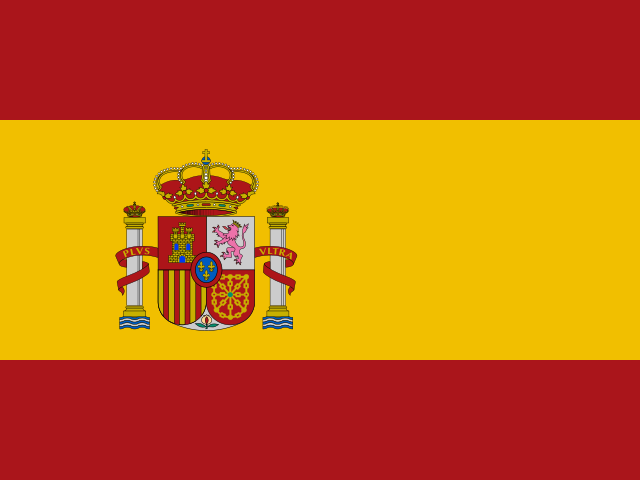
Spain

Traditions present: Catholicism, Judaism

Twenty places written in Spain. Each carries its history, architecture, site and orientation, festivals, and the way to get there.

Places
20
written
Traditions
2
present
Regions
14
regions, cities
English
20
pages translated

IPlaces Written

All 20 pages now have an English version.

By tradition
By region
Catholicism · Santiago de Compostela, vùng Galicia · 1075Santiago de Compostela CathedralCatedral de Santiago de Compostela, Catedral Metropolitana de Santiago, Cathedral of Saint James of Compostela

The metropolitan cathedral housing the traditional tomb of Saint James the Great, the final destination of the Camino de Santiago pilgrimage routes. The Romanesque cathedral was begun in 1075 and consecrated in 1211, with Master Mateo placing the lintels of the Portico of Glory on April 1, 1188, the Baroque Obradoiro facade begun in 1738, and the famous swinging censer known as the Botafumeiro.

UNESCO World Heritage Site (Santiago de Compostela Old Town, 1985)Praza do Obradoiro s/n, 15704 Santiago de Compostela, A Coruña, Galicia

Photo: Luis Miguel Bugallo Sánchez, CC BY-SA 3.0, Wikimedia Commons

Catholicism · Catalunya (Barcelona) · 1882Sagrada FamíliaBasílica i Temple Expiatori de la Sagrada Família, Đền thờ Chuộc Tội Thánh Gia

The Expiatory Temple of the Holy Family in Barcelona's Eixample district, begun on March 19, 1882 and shaped over 43 years by architect Antoni Gaudí, featuring three biblical facades, eighteen spires culminating in the 172.5-meter Tower of Jesus Christ, and an interior forest of branching stone columns.

UNESCO World Heritage Site (2005)Carrer de Mallorca 401, Quận Eixample, Barcelona, Vùng Catalunya, Tây Ban Nha

Photo: Canaan, CC BY-SA 4.0, Wikimedia Commons

Catholicism · Andalucía (Córdoba) · 785Mosque-Cathedral of CórdobaMezquita-Catedral de Córdoba, Catedral de Nuestra Señora de la Asunción, Đại thánh đường Córdoba

A monumental 23,400-square-meter sanctuary on the Guadalquivir River in Córdoba, begun in 785 CE by Umayyad Emir Abd al-Rahman I with a forest of 856 stone columns supporting red-and-white double-tiered arches and a Byzantine gold-mosaic Mihrab (965 CE), consecrated as a Catholic cathedral by King Ferdinand III in 1236 and crowned with a central Renaissance choir and nave begun in 1523.

UNESCO World Heritage Site (1984)Calle Cardenal Herrero 1, Khu phố cổ Córdoba, Bờ Bắc sông Guadalquivir, Vùng Andalucía, Tây Ban Nha

Photo: Toni Castillo Quero, CC BY-SA 2.0, Wikimedia Commons

Catholicism · Catalunya (Barcelona) · 1025Santa Maria de Montserrat AbbeyAbadia de Montserrat, Monestir de Santa Maria de Montserrat, Đan viện Đức Mẹ Montserrat

A Benedictine abbey perched at an altitude of 720 meters amid the serrated rock pinnacles of Montserrat mountain near Barcelona, founded in 1025 by Abbot Oliba to enshrine the twelfth-century Romanesque wooden statue of the Virgin of Montserrat (La Moreneta, Patroness of Catalonia), where Saint Ignatius of Loyola kept his vigil of arms in 1522 and where the Escolania boys' choir has sung since the thirteenth century.

Minor Basilica (1881) & Spanish National Heritage SiteMontaña de Montserrat, Monistrol de Montserrat, Tỉnh Barcelona, Vùng Catalunya, Tây Ban Nha

Photo: Bernard Gagnon, CC BY-SA 3.0, Wikimedia Commons

Catholicism · Andalucía (Sevilla) · 1401Seville CathedralCatedral de Santa María de la Sede de Sevilla, Nhà thờ chính tòa Sevilla

The largest Gothic cathedral in the world in Seville (covering 11,520 square meters), constructed between 1401 and 1506 over the former Almohad grand mosque while preserving the Courtyard of the Orange Trees and the 104.1-meter Giralda bell tower with its 35 interior horse ramps, renowned for the world's largest gilded wooden altarpiece and the tomb of navigator Christopher Columbus.

UNESCO World Heritage Site (1987)Avenida de la Constitución s/n, Khu phố cổ Sevilla, Vùng Andalucía, Tây Ban Nha

Photo: Ingo Mehling, CC BY-SA 4.0, Wikimedia Commons

Catholicism · Castile and León (Burgos) · Khởi dựng ngày 20 tháng 7 năm 1221 thời vua Fernando III và Giám mục Mauricio; thánh hiến năm 1260; hoàn thiện tháp nhọn và vòm trung tâm năm 1442 tới 1568Burgos CathedralSanta Iglesia Catedral Basílica Metropolitana de Santa María de Burgos, Catedral de Burgos

A comprehensive masterpiece of Spanish Gothic architecture on the Camino de Santiago in Burgos, founded on July 20, 1221 by King Saint Ferdinand III and Bishop Mauricio, celebrated for Juan de Colonia's 84-meter openwork stone spires, Simón de Colonia's Chapel of the Constable, Diego de Siloé's Golden Staircase, and the tomb of El Cid Campeador.

Independent UNESCO World Heritage Site (1984, extended 2014, Ref. 316) and Metropolitan Cathedral BasilicaPlaza de Santa María, s/n, 09003 Burgos, Castile and León, Spain

Photo: Carlos Delgado, CC BY-SA 3.0, Wikimedia Commons

Catholicism · Castilla-La Mancha (Toledo) · Thánh hiến vương cung thánh đường Visigoth năm 587; khởi dựng đại giáo đường Gothic ngày 14 tháng 8 năm 1226 thời vua Fernando III; hoàn thành năm 1493Toledo CathedralSanta Iglesia Catedral Primada de Santa María de Toledo, Catedral Primada de España, Dives Toletana

The Primate Cathedral of Spain rising above the Tagus River in Toledo, founded on August 14, 1226 by King Saint Ferdinand III and Archbishop Rodrigo Jiménez de Rada over a sixth-century Visigothic basilica, celebrated as Dives Toletana for its five-aisled Gothic hall, Narciso Tomé's Baroque El Transparente, Enrique de Arfe's 183-kilogram gold-and-silver Monstrance, El Greco's El Expolio, and daily Mozarabic Rite Mass.

Primate Cathedral of Spain and UNESCO World Heritage Site (Historic City of Toledo, 1986, Ref. 379)Calle Cardenal Cisneros, 1, 45002 Toledo, Castilla-La Mancha, Spain

Photo: Daderot, Phạm vi công cộng, Wikimedia Commons

Catholicism · Madrid · Khởi dựng ngày 23 tháng 4 năm 1563 thời vua Felipe II do Juan Bautista de Toledo và Juan de Herrera thiết kế; đặt viên đá cuối ngày 13 tháng 9 năm 1584Royal Site of San Lorenzo de El EscorialReal Monasterio de San Lorenzo de El Escorial, El Escorial, Eighth Wonder of the World

The monumental granite monastery, basilica, royal library, palace, and royal pantheon at the foot of Mount Abantos near Madrid, erected between 1563 and 1584 by King Philip II under architects Juan Bautista de Toledo and Juan de Herrera to commemorate the victory of Saint-Quentin, giving birth to the austere Herrerian Renaissance style and housing the tombs of twenty-six Spanish monarchs.

UNESCO World Heritage Site (Monastery and Site of the Escurial, Madrid, 1984, Ref. 318) and Royal BasilicaAvenida Juan de Borbón y Battemberg, s/n, 28200 San Lorenzo de El Escorial, Madrid, Spain

Photo: Richard Mortel from Riyadh, Saudi Arabia, CC BY 2.0, Wikimedia Commons

Catholicism · Extremadura (Cáceres) · Nhà nguyện cuối thế kỷ 13; vua Alfonso XI ban sắc lệnh xây dựng đan viện hoàng gia năm 1340; dòng Thánh Giêrônimô mở rộng năm 1389 tới thế kỷ 18Royal Monastery of Santa María de GuadalupeReal Monasterio de Santa María de Guadalupe, Santuario de Nuestra Señora de Guadalupe, Cáceres

The fortified Royal Monastery in the Las Villuercas mountains of Cáceres, Extremadura, endowed in 1340 by King Alfonso XI and entrusted for centuries to the Hieronymites and Franciscans, enshrining the twelfth-century Romanesque Black Madonna of Guadalupe, inextricably linked to Christopher Columbus's 1492 voyage, the Mudéjar Cloister, and Francisco de Zurbarán's intact Baroque Sacristy.

UNESCO World Heritage Site (1993, Ref. 665) and National Shrine of the Queen of HispanidadPlaza de Santa María de Guadalupe, s/n, 10140 Guadalupe, Cáceres, Extremadura, Spain

Photo: Jl FilpoC, CC BY 4.0, Wikimedia Commons

Catholicism · Catalunya (Tarragona) · Khởi lập ngày 18 tháng 1 năm 1150 bởi Bá tước Ramon Berenguer IV và đan sĩ dòng Xitô từ Fontfroide; mở rộng thế kỷ 12 tới thế kỷ 18; phục hưng năm 1940Poblet Monastery, TarragonaReial Monestir de Santa Maria de Poblet, Real Monasterio de Santa María de Poblet, Tarragona

One of the largest and most complete Cistercian monasteries in Europe, founded on January 18, 1150 by Count Ramon Berenguer IV at the foot of the Prades Mountains in Tarragona, Catalonia, enclosed by triple fortified walls and celebrated for the elevated alabaster royal tombs of the Kings of the Crown of Aragon, Damià Forment's 1529 alabaster High Altarpiece, and an active community of Cistercian monks.

UNESCO World Heritage Site (1991, Ref. 518) and Royal Pantheon of the Crown of AragonPlaça Corona d'Aragó, 11, 43448 Vimbodí i Poblet, Tarragona, Catalonia, Spain

Photo: Malopez 21, CC BY-SA 4.0, Wikimedia Commons

Catholicism · Castile and León (León) · Vương cung thánh đường thời vua Ordoño II năm 916; đại giáo đường Gothic khởi dựng năm 1205 tới 1255 bởi kiến trúc sư Enrique và Juan Pérez, hoàn thành năm 1302León CathedralSanta Iglesia Catedral de Santa María de Regla de León, Pulchra Leonina, House of Light

Celebrated in Latin as Pulchra Leonina (The Beautiful Leonese) and the House of Light, León Cathedral is Spain's purest masterpiece of thirteenth-century French-style Rayonnant High Gothic architecture on the Camino de Santiago, built over Roman legionary baths and King Ordoño II's tenth-century palace, and renowned across Europe for nearly 1,800 square meters of original medieval and Renaissance stained glass.

First National Monument of Spain (1844) and UNESCO World Heritage Site (Routes of Santiago de Compostela, 1993, Ref. 669)Plaza de Regla, s/n, 24003 León, Castile and León, Spain

Photo: Luis Miguel Bugallo Sánchez (Lmbuga), CC BY-SA 3.0, Wikimedia Commons

Catholicism · Castile and León (Ávila) · Tường thành Ávila thế kỷ 11 tới 12; Nhà thờ chính tòa Gothic đầu tiên của Tây Ban Nha do Giraud Fruchel thiết kế từ năm 1170; Đan viện Thánh Têrêsa xây năm 1629 tới 1636Ávila Cathedral and Convent of Saint TeresaCatedral de Cristo Salvador de Ávila, Murallas de Ávila y Convento de Santa Teresa de Jesús

Perched at 1,131 meters above sea level in Spain's highest provincial capital, the fortified Cathedral of the Saviour in Ávila is recognized as the first Gothic cathedral in Spain (redesigned from 1170 by French master Giraud Fruchel), whose battlemented granite apse (El Cimorro) forms the largest defensive bastion of Ávila's 2,516-meter, 87-tower medieval city walls, alongside the Baroque Convent built over the birthplace of Mystic and Doctor of the Church Saint Teresa of Ávila.

UNESCO World Heritage Site (Old Town of Ávila with its Extra-Muros Churches, 1985, Ref. 348bis) and National MonumentPlaza de la Catedral, 8 and Plaza de la Santa, 2, 05001 Ávila, Castile and León, Spain

Photo: Zarateman, CC0, Wikimedia Commons

Catholicism · Aragón (Zaragoza) · Truyền thống hiện ra năm 40 SCN; nhà thờ Romanesque năm 1118 và Mudéjar năm 1515; đại vương cung thánh đường Baroque khởi dựng năm 1681 bởi Francisco Herrera el Mozo và Ventura RodríguezBasilica of Our Lady of the Pillar, ZaragozaCatedral-Basílica de Nuestra Señora del Pilar de Zaragoza, Basílica del Pilar

Đại vương cung thánh đường Baroque bên dòng sông Ebro với mười một mái vòm lợp ngói men rực rỡ và bốn tháp chuông cao 98 mét, bảo lưu cột đá jasper thiêng từ năm 40 SCN, bàn thờ đá của Damià Forment và bích họa vòm trần của Francisco de Goya.

Nhà thờ Đồng chính tòa Tổng giáo phận Zaragoza, Đền thánh Đức Mẹ đầu tiên của Kitô giáo và Bảo vật Quốc gia Tây Ban NhaPlaza del Pilar, s/n, 50003 Zaragoza, Aragon, Spain

Photo: Willtron, CC BY-SA 3.0, Wikimedia Commons

Judaism · Castilla-La Mancha (Toledo) · Khởi dựng năm 1180 (hoặc giữa thế kỷ 13 thời đại thần Yosef ben Shoshan); chuyển đổi thành nhà thờ năm 1411Synagogue of Santa María la Blanca, ToledoSinagoga de Santa María la Blanca, Sinagoga Mayor de Toledo, Ibn Shoshan Synagogue, Yosef ben Shoshan Synagogue

Considered the oldest standing synagogue building in Europe, erected in 1180 CE (and rebuilt in the 13th century by royal treasurer Yosef ben Shoshan) in the Jewish Quarter of Toledo by Mudéjar Islamic master builders with five naves, twenty-eight horseshoe arches, and thirty-two white octagonal piers.

National Monument of Spain (1880) and UNESCO World Heritage Site (Historic City of Toledo, 1986, Ref. 379)Calle de los Reyes Católicos, 4, Jewish Quarter (Judería), 45002 Toledo, Castilla-La Mancha, Spain

Photo: Zmorgan, Phạm vi công cộng, Wikimedia Commons

Catholicism · La Rioja · Đan viện Suso khởi nguyên thế kỷ 6 từ hang tu của Thánh Millán; Đan viện Yuso khởi lập năm 1053 bởi vua García Sánchez III và tái thiết thế kỷ 16 tới 18San Millán Yuso and Suso MonasteriesMonasterios de San Millán de Suso y de Yuso, Monasterio de San Millán de la Cogolla, Cradle of the Spanish Language

A twin monastic complex in the Cárdenas River valley of La Rioja comprising the sixth-century Visigothic and Mozarabic cave monastery of Suso on the mountain slope and the eleventh- to sixteenth-century royal monastery of Yuso in the valley below, celebrated as the birthplace of the first written texts in the Spanish and Basque languages.

UNESCO World Heritage Site (San Millán Yuso and Suso Monasteries, 1997, Ref. 805) and National Monument of SpainCalle del Río, s/n, 26326 San Millán de la Cogolla, La Rioja, Spain

Photo: Jose Luis Filpo Cabana, CC BY 3.0, Wikimedia Commons

Catholicism · Madrid · Khởi dựng ngày 4 tháng 4 năm 1883 thời vua Alfonso XII (kiến trúc sư Francisco de Cubas); Giáo hoàng Gioan Phaolô II thánh hiến ngày 15 tháng 6 năm 1993Almudena Cathedral, MadridCatedral de Santa María la Real de la Almudena, Catedral de Madrid, Cathedral of Saint Mary the Royal of the Almudena

The seat of the Roman Catholic Archdiocese of Madrid standing directly opposite the Royal Palace across the Plaza de la Armería, begun on April 4, 1883 under King Alfonso XII and consecrated on June 15, 1993 by Pope John Paul II, blending a Neoclassical granite-and-limestone exterior with a Neo-Gothic nave and a 400-column Neo-Romanesque crypt.

Metropolitan Cathedral of the Archdiocese of Madrid and National Historic-Artistic Monument of SpainCalle de Bailén, 10, Centro District, 28013 Madrid, Spain

Photo: Bernard Gagnon, CC BY-SA 4.0, Wikimedia Commons

Catholicism · Catalunya (Barcelona) · Nền vương cung thánh đường thế kỷ 4 và nhà thờ Romanesque năm 1058; đại giáo đường Gothic xây từ năm 1298 tới 1448; mặt tiền hoàn thiện năm 1913Barcelona CathedralCatedral de la Santa Creu i Santa Eulàlia, La Seu de Barcelona, Cathedral of the Holy Cross and Saint Eulalia

The Catalan Gothic metropolitan cathedral of the Archdiocese of Barcelona rising on ancient Mons Taber in the Gothic Quarter, begun on May 1, 1298 over a fourth-century Paleochristian basilica to enshrine the alabaster sarcophagus of the thirteen-year-old martyr Saint Eulalia beside a palm-shaded cloister guarded by thirteen white geese.

Metropolitan Cathedral of the Archdiocese of Barcelona, Minor Basilica (1867), and National Monument of Spain (1929)Pla de la Seu, s/n, Gothic Quarter (Barri Gòtic), Ciutat Vella, 08002 Barcelona, Catalonia, Spain

Photo: Didier Descouens, CC BY-SA 4.0, Wikimedia Commons

Catholicism · Basque Country (Gipuzkoa) · Nhà tháp dòng họ Loyola từ cuối thế kỷ 14 (nơi sinh Thánh Inhaxiô năm 1491 và hoán cải năm 1521); vương cung thánh đường Baroque xây năm 1689 tới 1738Sanctuary of Loyola, AzpeitiaSantuario de Loyola, Loiolako Santutegia, Basílica de San Ignacio de Loyola, Holy House of Loyola

The mother sanctuary of the Society of Jesus in the Urola River valley of Azpeitia in the Basque Country, where Roman Baroque master Carlo Fontana designed a monumental 65-meter-domed basilica and 150-meter monastic wings enclosing the medieval fortified tower-house in which Saint Ignatius of Loyola was born in 1491 and experienced his spiritual conversion in 1521.

Minor Basilica (1921), Cultural Heritage Monument of the Basque Country, and Starting Point of the Ignatian Way (Camino Ignaciano)Loiola Auzoa, s/n, Urola Valley, 20730 Azpeitia, Gipuzkoa, Basque Country, Spain

Photo: GFreihalter, CC BY-SA 3.0, Wikimedia Commons

Catholicism · Catalunya (Barcelona) · Thánh Inhaxiô ẩn tu cầu nguyện từ tháng 3 năm 1522 tới tháng 2 năm 1523; nhà thờ Baroque xây năm 1759 tới 1763; nhà tĩnh tâm xây năm 1894 tới 1918Cave of Saint Ignatius, ManresaSantuari de la Cova de Sant Ignasi, Santuario de la Cueva de San Ignacio, La Santa Cova de Manresa

A natural conglomerate rock grotto overlooking the Cardener River in Manresa, Catalonia, with a view toward Montserrat, where Saint Ignatius of Loyola spent eleven months in prayer and penance from March 1522 to February 1523, received his mystical enlightenment beside the Cardener, and drafted the foundational text of the Spiritual Exercises.

Cultural Heritage of National Interest of Catalonia (BCIN), International Center of Ignatian Spirituality, and Final Destination of the Camino IgnacianoCamí de la Cova, 17, Sant Bartomeu Hill by the Cardener River, 08241 Manresa, Barcelona, Catalonia, Spain

Photo: Enric, CC BY-SA 4.0, Wikimedia Commons

Catholicism · Catalunya (Barcelona) · Nhà nguyện khởi đầu năm 1886 sau chuyến thăm của Thánh Gioan Bosco; đền thờ của kiến trúc sư Enric Sagnier xây từ ngày 28 tháng 12 năm 1902 tới năm 1961Temple Expiatori del Sagrat Cor, Tibidabo, BarcelonaBasílica del Sagrat Cor del Tibidabo, Templo Expiatorio del Sagrado Corazón de Jesús, Đền thờ Chuộc Tội Thánh Tâm Chúa Giêsu Tibidabo

Vương cung thánh đường đền tạ ngự trên đỉnh núi Tibidabo cao 512 mét nhìn xuống toàn cảnh Barcelona, gắn với lời tiên tri của Thánh Gioan Bosco năm 1886 và do kiến trúc sư Enric Sagnier thiết kế.

Tiểu Vương cung thánh đường do Giáo hoàng Gioan XXIII sắc phong (29 tháng 10 năm 1961) và Di sản Kiến trúc Bảo tồn BarcelonaCumbre del Tibidabo, s/n, Mount Tibidabo Summit (512 m), Sarrià-Sant Gervasi, 08035 Barcelona, Catalonia, Spain

Photo: Felix König, CC BY 3.0, Wikimedia Commons

IIHelp Us Build This

This library is open and free, and it records its own progress in public. Three things you can help with today:

  1. Name a place we missedA founding temple, a church, a mosque, a shrine the table above does not have. Send the name, the province, and one line on why it belongs.
  2. Send a photograph with an open licenceNothing is published without both the photographer and the licence. Your own photograph with your permission, or an openly licensed one, are both welcome.
  3. Report an errorA wrong date, a wrong original name, a wrong lineage, a wrong address. A library that is wrong once is not trusted again, so corrections are very welcome.

Write to thayungkhiem@gmail.com

IIILog

  • 24/10/2026Completed three major initiatives on the same day: (1) Verified primary international sources and published the remaining 199 full English editions across 192 countries and territories, officially completing Stage D with 100% bilingual Vietnamese and English coverage across the entire library. (2) Visually verified and published 35 openly licensed Wikimedia Commons photographs for 22 sites in Vietnam and 13 international sanctuaries. (3) Authored 100 new bilingual sacred place monographs with real photographs for Stage C across 25 countries and territories (South Korea, China, Taiwan, Thailand, Cambodia, Myanmar, Laos, Indonesia, Malaysia, the Philippines, Sri Lanka, Nepal, Bhutan, Bangladesh, Mongolia, Italy, Spain, Portugal, Greece, Russia, Turkey, Egypt, Israel, Canada and Mexico), expanding each from 1 to 5 places and bringing the library to 761 sacred places.
  • 25/09/2026Launched the complete Scriptures and Mantras section for all 19 faiths, presenting one daily liturgical text per tradition in four columns (original script, transliteration, Vietnamese and English) with a read-along player and human recordings for 7 texts. On the same day, visually verified and published 29 openly licensed Wikimedia Commons photographs for the first Stage A batch across 29 countries in Asia, the Middle East, Africa, Europe and the Americas.
  • 24/09/2026In the Main Hall, completed 3D ritual offerings for all 19 faiths with authentic gestures, offerings and proportions, alongside the milestone counter toward one billion heartfelt offerings. In the Places section, completed articles and openly licensed photographs for 30 second-batch sites across the 10 priority countries (bringing each to 5 places, including the Portuguese Synagogue in Amsterdam as the library's first Jewish site) and authored the first 30 Stage A articles across 30 additional countries in Asia, Europe, Africa and the Americas (including Bulguksa, the Temple of Confucius in Qufu, Angkor Wat, Borobudur, Masjid al-Haram, St Peter's Basilica and Guadalupe).

?Quick Questions

Why are there no opening hours or ticket prices

Because they change constantly. A library that is wrong once about a practical detail loses its standing on everything else. Check with the place itself before you travel.

Where do the images come from

From Wikimedia Commons under open licences, each credited to its photographer, or photographed by UK MASTER ACADEMY. No image is published without both its author and its licence.

How were these places chosen

Four tests: it is officially listed as a heritage site, it belongs to a tradition this library covers, its site and orientation can be read in feng shui terms, and an openly licensed photograph exists.

Why is my country still grey

The library opens one country at a time, beginning with the countries that have the most readers, and within each country with its most significant places. A grey country is simply one whose turn has not come. Suggestions are welcome through the page of Master Ưng Khiêm.

›Read Next