HALL OF MYRIAD PATHSVẠN ĐẠO ĐƯỜNGTiếng ViệtVIMaster Ưng Khiêm's site
HALL OF MYRIAD PATHS

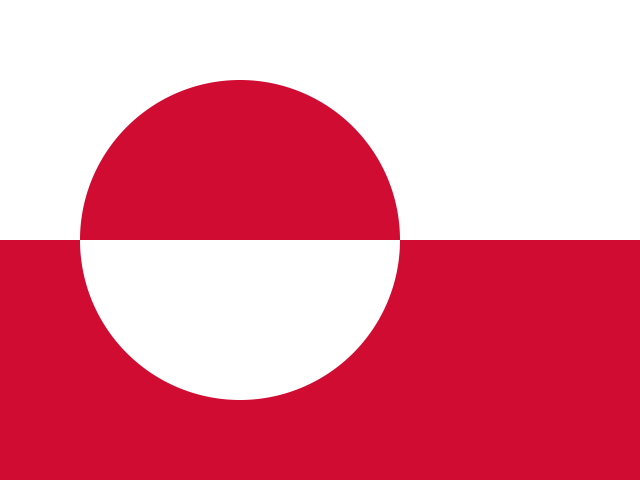
Greenland

Traditions present: Protestantism, Catholicism

Five places written in Greenland. Each carries its history, architecture, site and orientation, festivals, and the way to get there.

Places
5
written
Traditions
2
present
Regions
5
regions, cities
English
5
pages translated

IPlaces Written

All 5 pages now have an English version.

By tradition
By region
Protestantism · Sermersooq · 1848 tới 1849 (thánh hiến ngày 6/4/1849), tháp đồng hồ thêm năm 1928, thành nhà thờ chính tòa ngày 6/5/1993Nuuk CathedralAnnaassisitta Oqaluffia, Vor Frelsers Kirke, Nuuk Domkirke, Grønlands Domkirke, Church of Our Saviour, Nhà thờ chính tòa Nuuk

The red-painted wooden church with a white portico and copper-clad clock tower overlooking the old harbor of Kolonihavnen in Nuuk, consecrated on 6 April 1849. Its four-faced clock tower was added in 1928 for the 200th anniversary of the city's founding. When Greenland became an independent diocese with its own bishop on 6 May 1993, the church became the cathedral of the Church of Greenland within the Evangelical Lutheran Church of Denmark, housing J.E.C. Rasmussen's well-known painting of missionary Hans Egede kneeling in the snow.

Cathedral of the Diocese of Greenland (1993), Listed Heritage Monument of GreenlandNuuk 3900, Greenland (phía bắc khu phố cổ)

Photo: Karlbrix, CC BY-SA 3.0, Wikimedia Commons

Protestantism · Avannaata Municipality (Ilulissat, Disko Bay) · Khởi dựng năm 1779 bằng cấu kiện gỗ tiền chế chở từ Đan Mạch với sự đóng góp của các thủy thủ tàu săn cá voi Hà Lan và người dân bản địa Greenland dưới thời mục sư Jørgen Sverdrup; hoàn thành năm 1782 và cung hiến tháng 9 năm 1783; mở rộng và cải tạo toàn diện năm 1929 tới năm 1930Zion's Church, IlulissatZions Kirke, Zions Kirke i Ilulissat, Zionip Oqaluffia, Nhà thờ Zion bên vịnh băng Ilulissat (Jakobshavn)

Ngôi nhà thờ gỗ sơn màu nâu sẫm viền trắng nổi tiếng nhất vùng Bắc Cực thuộc Giáo hội Tin Lành Luther Greenland, được khởi dựng từ năm 1779 đến năm 1782 và cung hiến tháng 9 năm 1783 trên mỏm đá hoa cương sát bờ sóng Vịnh Disko ngay cửa Vịnh băng Ilulissat (Di sản Thế giới UNESCO), từng là tòa nhà lớn nhất toàn Greenland thời thuộc địa và được xây dựng nhờ nguồn quyên góp tạ ơn của các thủy thủ săn cá voi Hà Lan sau vụ đắm tàu lịch sử năm 1777.

Di tích Lịch sử Bảo tồn Quốc gia Greenland (Fredede bygninger i Grønland, công trình kiến trúc lớn nhất Greenland thế kỷ 18, tọa lạc liền kề Di sản Thế giới UNESCO Vịnh băng Ilulissat ghi danh năm 2004, mã số 1149)Timmianiut Promontory at the Mouth of Ilulissat Icefjord (Kirkevej), 3952 Ilulissat, Avannaata Municipality, Greenland

Photo: Christoph Strässler from Oberdorf BL, Schweiz, CC BY-SA 2.0, Wikimedia Commons

Catholicism · Sermersooq Municipality (Nuuk Capital) · Thiết lập điểm truyền giáo Công giáo tại Nuuk năm 1958 bởi các tu sĩ Dòng Hiến sĩ Đức Mẹ Vô Nhiễm (OMI) sau khi chấm dứt độc quyền tôn giáo năm 1953; khởi dựng nhà thờ hiện nay năm 1971 và cung hiến trọng thể ngày 19 tháng 3 năm 1972 bởi Đức Giám mục Hans Ludvig Martensen SJ; tu viện Tiểu Muội Chúa Giêsu lập cạnh nhà thờ năm 1980Christ the King Catholic Church, NuukKrist Konge Kirke, Kristus Kongens Kirke i Nuuk, Kristusip Kunngip Oqaluffia, Nhà thờ giáo xứ Công giáo duy nhất tại Greenland

Ngôi nhà thờ giáo xứ Công giáo La Mã duy nhất trên toàn hòn đảo lớn nhất thế giới Greenland, được cung hiến ngày 19 tháng 3 năm 1972 tại đại lộ trung tâm Aqqusinersuaq của thủ đô Nuuk với kiến trúc gỗ sơn đỏ kiểu Bắc Âu kết hợp bức tượng đồng Chúa Kitô Vua dang tay trên quả địa cầu đặt trên tảng đá hoa cương trước hiên nhà thờ, nối lại mạch sống Công giáo từng hiện diện từ thời Giáo phận Gardar trung cổ (1112) và quy tụ cộng đoàn tín hữu đa sắc tộc vùng Bắc Cực.

Nhà thờ Giáo xứ Công giáo La Mã duy nhất trên toàn lãnh thổ Greenland (trực thuộc Giáo phận Copenhagen, Đan Mạch)Aqqusinersuaq 18, Central Nuuk, 3900 Nuuk, Sermersooq Municipality, Greenland

Photo: Algkalv (talk), CC BY-SA 3.0, Wikimedia Commons

Catholicism · Kujalleq Municipality (Hvalsey Fjord, near Qaqortoq) · Trang trại Hvalsey lập năm 985 bởi Thorkel Farserk (anh em họ của Erik Đỏ); ngôi nhà thờ đá hoa cương hiện còn được xây dựng vào khoảng đầu thế kỷ 14 (khoảng năm 1300); nơi diễn ra lễ cưới ngày 16 tháng 9 năm 1408 giữa Thorstein Olafsson và Sigrid Bjornsdottir (sự kiện thành văn cuối cùng của người Bắc Âu tại Greenland); ghi danh Di sản Thế giới UNESCO ngày 9 tháng 7 năm 2017Hvalsey Church RuinsQaqortukulooq, Hvalseyjarfjordur Church, Hvalsey Kirkeruin, Nhà thờ đá Bắc Âu trung cổ Hvalsey

Phế tích kiến trúc thời kỳ người Bắc Âu (Norse) trung cổ được bảo tồn tốt nhất tại Greenland, được xây dựng vào khoảng năm 1300 bằng những tảng đá hoa cương dày 1,5 mét theo kiểu nhà thờ đá Anglo-Na Uy dài 16 mét bên bờ vịnh Hvalsey (Qaqortukulooq) dưới chân núi Hvalseyjarfell, nổi tiếng toàn cầu là nơi cử hành lễ cưới ngày 16 tháng 9 năm 1408 (tư liệu viết tay cuối cùng trước khi nền văn minh Viking Greenland biến mất) và là hạt nhân của Di sản Thế giới UNESCO Kujataa năm 2017.

Hạng mục Trung tâm của Di sản Thế giới UNESCO Kujataa Greenland: Canh tác Bắc Âu và Inuit ở Rìa Chỏm băng (ghi danh ngày 9 tháng 7 năm 2017, mã số 1536) và Phế tích Kiến trúc Thời Bắc Âu Trung cổ Bảo tồn Nguyên vẹn Nhất tại GreenlandQaqortukulooq (Hvalsey Fjord), North Shore of Hvalsey Fjord, 18 km northeast of Qaqortoq, Kujalleq Municipality, South Greenland

Photo: Visit Greenland, CC BY 2.0, Wikimedia Commons

Protestantism · Qeqqata Municipality (Sisimiut City) · Cộng đồng thợ săn cá voi người Inuit tại Holsteinsborg (Sisimiut) tự nguyện quyên góp râu và mỡ cá voi từ năm 1767 đến năm 1773 để mua gỗ; cấu kiện gỗ chở từ Copenhagen đến năm 1773 (chong chóng gió khắc năm 1773), lắp dựng năm 1774 và cung hiến trọng thể ngày 6 tháng 1 năm 1775 (Lễ Hiển Linh)Bethel Church, SisimiutBethel Kirke, Den Bla Kirke i Sisimiut, Oqaluffikitoq, Nhà thờ Xanh tại Sisimiut (Holsteinsborg)

Ngôi nhà thờ được cung hiến cổ xưa nhất còn tồn tại nguyên vẹn trên toàn lãnh thổ Greenland (khánh thành ngày 6 tháng 1 năm 1775, sớm hơn Nhà thờ Zion tại Ilulissat tám năm), nổi bật với sắc tường gỗ xanh da trời thanh nhã (Den Bla Kirke), mái ngói đỏ và tháp chuông trắng gắn chong chóng gió khắc năm 1773 ngay phía sau cổng vòm xương hàm cá voi của khu phố cổ Sisimiut, được dựng xây từ chính nguồn quyên góp râu và mỡ cá voi của cộng đồng tín hữu Inuit bản địa.

Nhà thờ Cổ Nhất Còn Nguyên Vẹn tại Greenland (cung hiến ngày 6 tháng 1 năm 1775) và Di tích Kiến trúc Lịch sử Bảo tồn Cấp Quốc gia thuộc Quần thể Bảo tàng SisimiutSisimiut Museum Historic Colonial Quarter (Muusap Aqqutaa), 3911 Sisimiut, Qeqqata Municipality, West Greenland

Photo: David Stanley from Nanaimo, Canada, CC BY 2.0, Wikimedia Commons

IIHelp Us Build This

This library is open and free, and it records its own progress in public. Three things you can help with today:

  1. Name a place we missedA founding temple, a church, a mosque, a shrine the table above does not have. Send the name, the province, and one line on why it belongs.
  2. Send a photograph with an open licenceNothing is published without both the photographer and the licence. Your own photograph with your permission, or an openly licensed one, are both welcome.
  3. Report an errorA wrong date, a wrong original name, a wrong lineage, a wrong address. A library that is wrong once is not trusted again, so corrections are very welcome.

Write to thayungkhiem@gmail.com

IIILog

  • 24/10/2026Completed three major initiatives on the same day: (1) Verified primary international sources and published the remaining 199 full English editions across 192 countries and territories, officially completing Stage D with 100% bilingual Vietnamese and English coverage across the entire library. (2) Visually verified and published 35 openly licensed Wikimedia Commons photographs for 22 sites in Vietnam and 13 international sanctuaries. (3) Authored 100 new bilingual sacred place monographs with real photographs for Stage C across 25 countries and territories (South Korea, China, Taiwan, Thailand, Cambodia, Myanmar, Laos, Indonesia, Malaysia, the Philippines, Sri Lanka, Nepal, Bhutan, Bangladesh, Mongolia, Italy, Spain, Portugal, Greece, Russia, Turkey, Egypt, Israel, Canada and Mexico), expanding each from 1 to 5 places and bringing the library to 761 sacred places.
  • 30/09/2026Sourced, visually verified and published 24 openly licensed Wikimedia Commons photographs for the fourth batch of Stage A across the Gulf, maritime Southeast Asia, Central Asia, Europe, Africa, Latin America and Oceania, from the Malé Friday Mosque, Sulayman-Too and Old Orhei to the Temple in the Sea, Ambohimanga and the Grand Mosque of Agadez.
  • 29/09/2026Officially opened the doors of Hall of Myriad Paths to readers worldwide as a living spiritual library that grows every day. On the same day, authored 60 new Stage A sacred place monographs across 60 countries in the Nordic and Baltic regions, the Balkans, the Gulf, Central Asia, European microstates, Africa, Oceania, Latin America and the Caribbean (including Roskilde Cathedral, Hallgrímskirkja, the Gate of Dawn in Vilnius, Ostrog Monastery, Malé Friday Mosque, Sulayman-Too, Old Orhei, the Temple in the Sea and Ambohimanga), while verifying and publishing 59 openly licensed photographs for the second and third batches.

?Quick Questions

Why are there no opening hours or ticket prices

Because they change constantly. A library that is wrong once about a practical detail loses its standing on everything else. Check with the place itself before you travel.

Where do the images come from

From Wikimedia Commons under open licences, each credited to its photographer, or photographed by UK MASTER ACADEMY. No image is published without both its author and its licence.

How were these places chosen

Four tests: it is officially listed as a heritage site, it belongs to a tradition this library covers, its site and orientation can be read in feng shui terms, and an openly licensed photograph exists.

Why is my country still grey

The library opens one country at a time, beginning with the countries that have the most readers, and within each country with its most significant places. A grey country is simply one whose turn has not come. Suggestions are welcome through the page of Master Ưng Khiêm.

›Read Next